If you are eyeing Belle Meade, you have likely heard that it is a city within a city. That unique setup comes with its own police department, ordinances, and a separate city property tax on top of Metro Nashville taxes. It can feel complex when you are trying to compare homes and long-term costs.
You want a clear picture of what you are paying for, how it affects value, and whether the premium aligns with your goals. This guide explains how Belle Meade’s municipal services and tax structure work, how they compare with nearby Nashville neighborhoods, and what to verify before you buy or sell. Let’s dive in.
Belle Meade’s local status, in plain terms
Belle Meade is an incorporated municipality inside Davidson County. It is surrounded by Nashville but remains politically distinct. That means the city retains limited local authority while many countywide services stay with Metro.
The setup is common for a handful of small cities in Davidson County that kept municipal powers after consolidation. For you, this translates into a mix of locally controlled services plus services delivered by Metro.
Who provides what services
Belle Meade typically controls:
- Local law enforcement through a city police department.
- City ordinances and code enforcement, including permits and local standards.
- A municipal budget supported by a city property tax levy.
- Municipal court functions for local ordinance matters.
- Elements of local public works such as road maintenance and signage.
Metro Nashville generally provides:
- Public schools through Metro Nashville Public Schools.
- Major infrastructure and regional programs like public health and transit.
- County assessment and many tax functions, including collections.
- Regional utilities such as water and sewer, depending on local contracts.
Bottom line: you get a focused set of neighborhood-level services from Belle Meade, while big systems and countywide programs remain Metro’s domain.
How the dual-tax structure works
Residents of Belle Meade usually pay two property tax components:
- The Metro Nashville property tax that applies countywide.
- A separate Belle Meade municipal property tax that funds local services.
Your annual bill reflects the sum of those two levies. Exact rates change over time, and billing is typically coordinated through county systems. Always confirm current rates and the billing method before you close. The combined tax burden is the key number to model in your budget.
What this means for your ownership costs
A separate city tax funds services that Belle Meade provides directly, such as policing and local code enforcement. In return, you may see neighborhood benefits like visible patrols, consistent property standards, and attention to streetscape details. These services are a major reason many buyers accept a higher overall tax bill.
Other cost factors to consider:
- Special assessments. Small cities can levy assessments or issue bonds for local improvements like stormwater or street projects. Ask if any are current or planned.
- Utilities and sanitation. Arrangements can vary. Clarify whether your address uses Metro utilities or separate providers and whether sanitation fees are city, Metro, or contracted.
- Insurance and financing. Some providers may view locally focused services and maintenance as positive. Underwriting still depends on property features and risk factors like flood exposure.
A good financial plan tallies annual taxes, estimated utilities, any known assessments, and insurance alongside your mortgage payment.
Why services can influence home prices
Local services and city identity can influence demand. Here is how that often shows up in pricing:
- Perceived safety and response. A dedicated police department with neighborhood patrols can support buyer confidence, which can bolster demand.
- Zoning and character. City-level control over ordinances and land use tends to protect low-density character and curb appeal. Limited supply and consistent standards often support price stability.
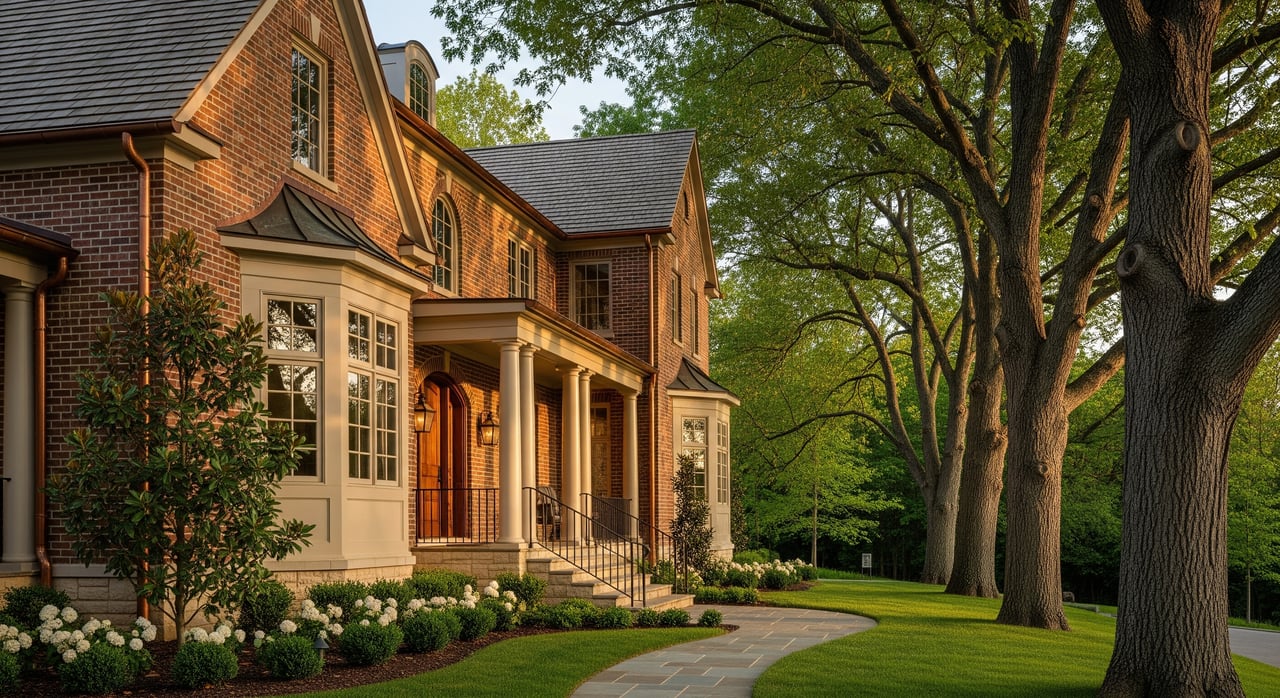
- Upkeep and aesthetics. Strong code enforcement and targeted public works help preserve streetscape quality that buyers notice.
- Exclusivity and prestige. Belle Meade’s long-standing identity as a distinct, low-density municipality can contribute to a premium image.
Keep perspective. Price differences do not come from services alone. Lot size, architecture, historic significance, and tight inventory all play large roles. In practice, both neighborhood features and municipal structure factor into what buyers are willing to pay.
Belle Meade vs nearby areas: what to weigh
When you compare Belle Meade with Green Hills, Hillsboro-West End, Oak Hill, or Forest Hills, focus on:
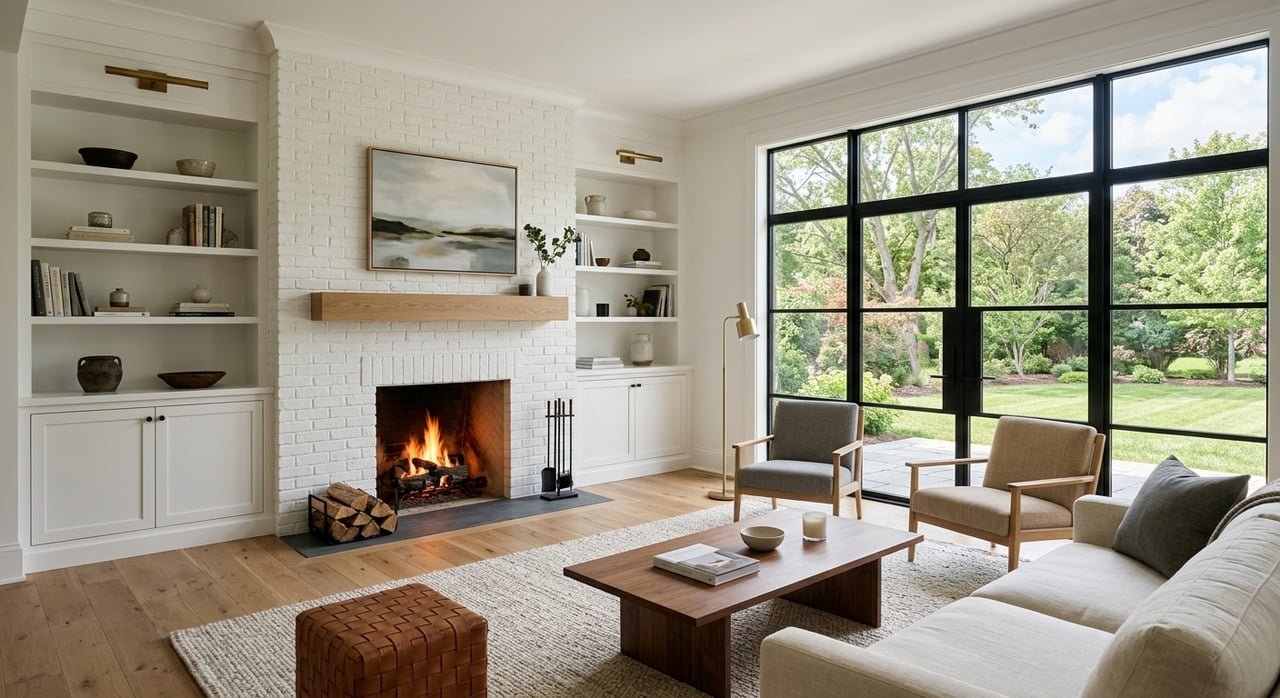
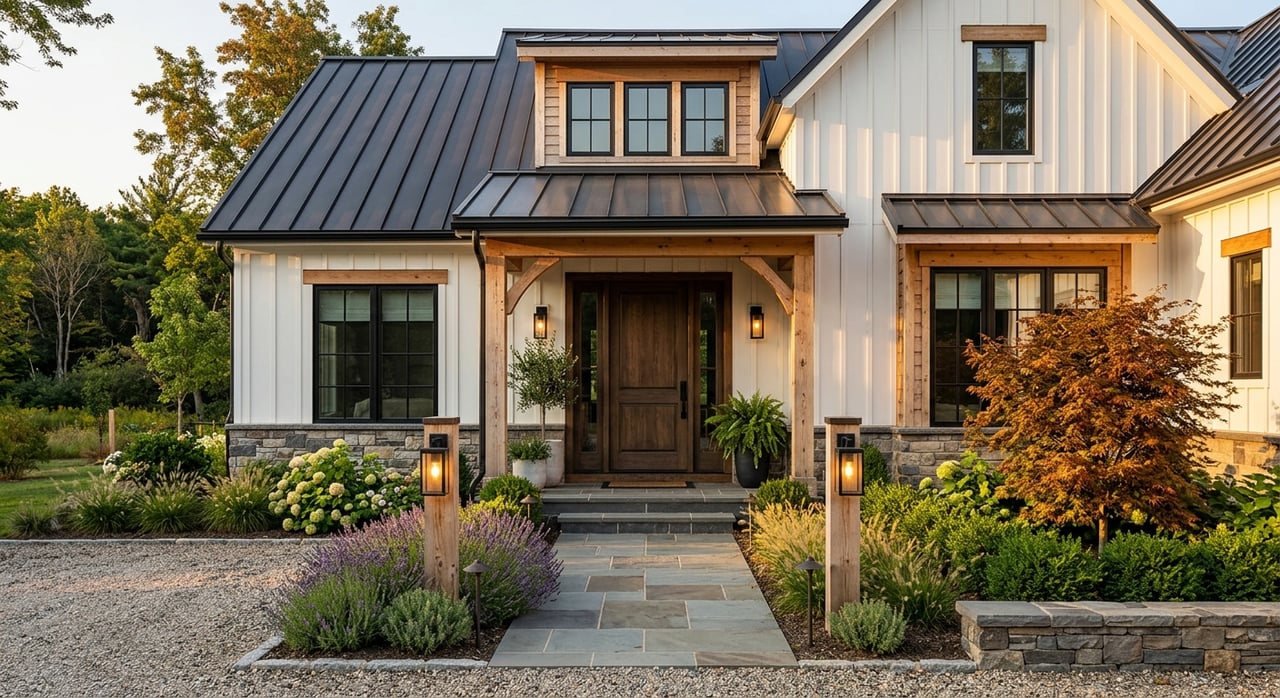
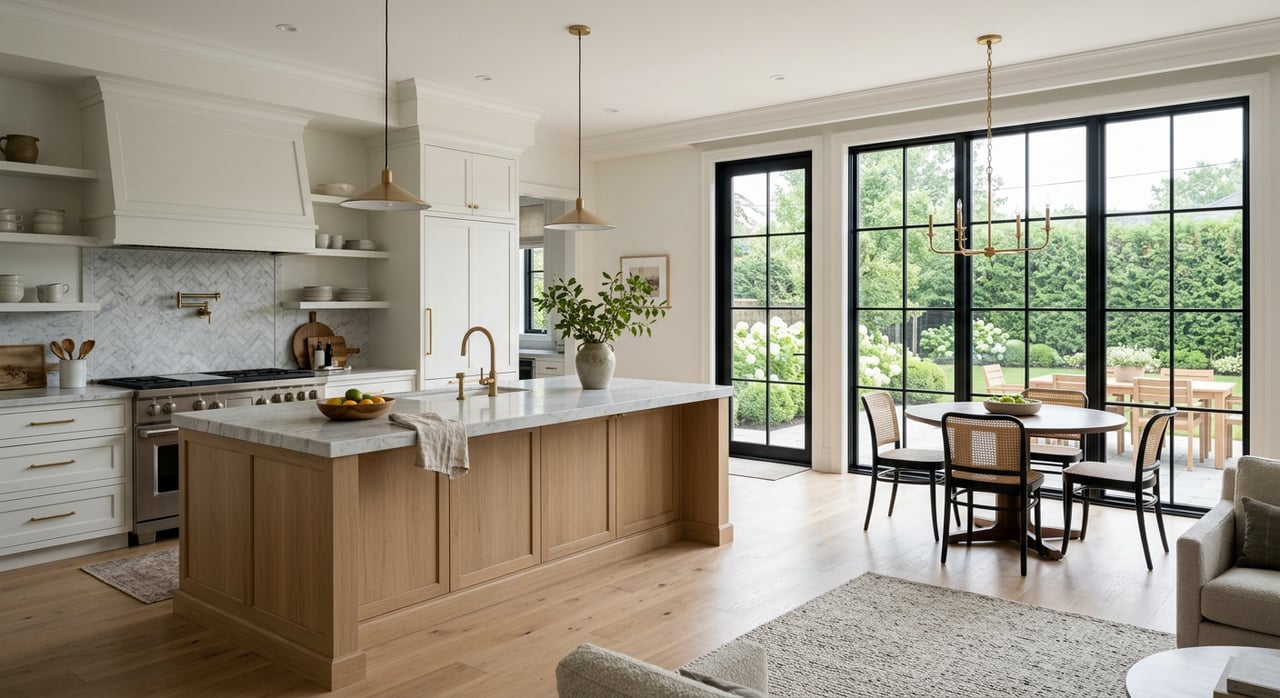
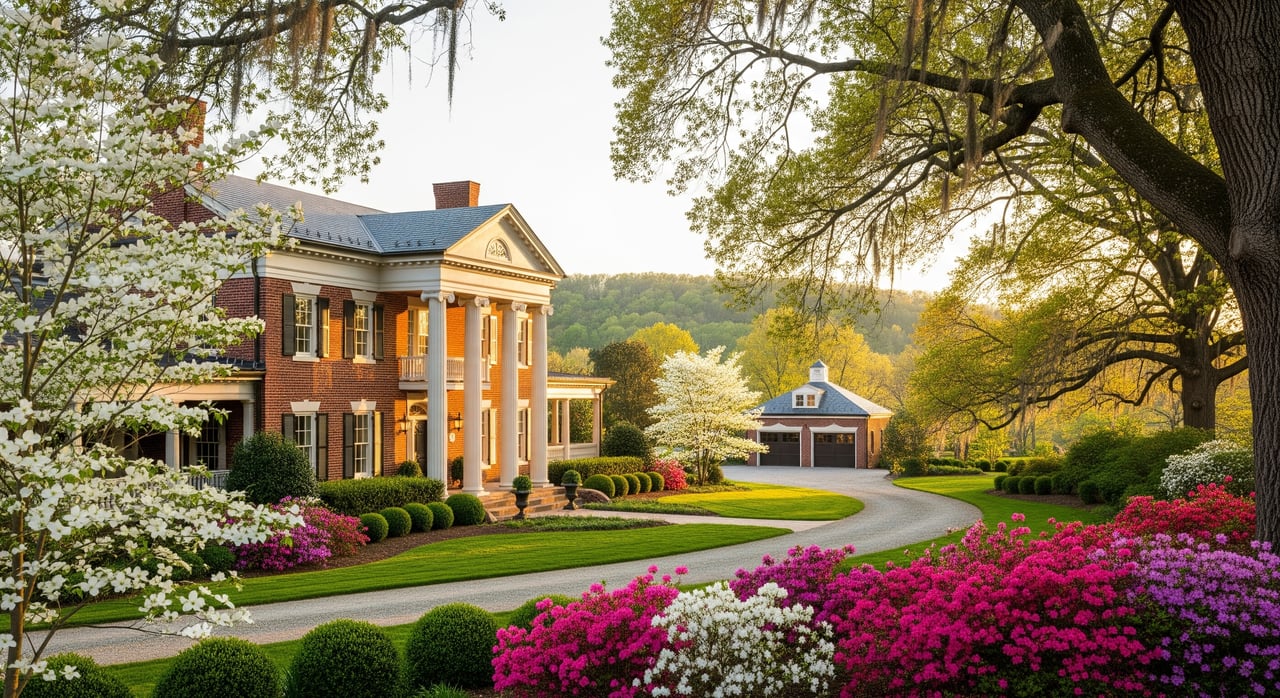
- Housing stock. Belle Meade tends to feature larger lots and estate-style homes. Nearby areas can offer more varied sizes and infill.
- Municipal setup. Forest Hills and Oak Hill are also independent municipalities, though structures differ. Green Hills and Hillsboro-West End are within Metro Nashville without a separate city tax.
- Services and taxes. Belle Meade residents typically pay both Metro and city taxes. Metro-only neighborhoods usually pay just the countywide levy.
- Zoning protections. Independent cities can set and enforce local ordinances that preserve low-density character. Metro neighborhoods follow Metro zoning.
- Lifestyle and access. All are well located relative to Nashville’s core, retail, and parks, but each has a different feel and pace.
Use a side-by-side analysis that compares combined tax burdens, lot sizes, renovation standards, and resale patterns based on your price range.
What buyers should verify
Before you write an offer in Belle Meade, make sure you confirm the essentials:
- Current Metro and Belle Meade property tax rates and how the city levy is billed.
- Any recent or pending special assessments, bonds, or referenda that could change costs.
- Utility providers for water, sewer, and trash, including any separate fees.
- Recent municipal budget priorities to understand what services are funded.
- Public school zoning through Metro Nashville Public Schools for your specific address.
A clear picture of these items helps you model both the monthly payment and the long-range cost of ownership.
What sellers should highlight
If you are listing in Belle Meade, speak to the services and neighborhood standards that buyers value, without overpromising:
- Dedicated police presence and neighborhood patrols.
- Local code enforcement and consistent property standards.
- Streetscape, landscaping, and maintenance that support curb appeal.
- The city’s identity as a distinct municipality within Davidson County.
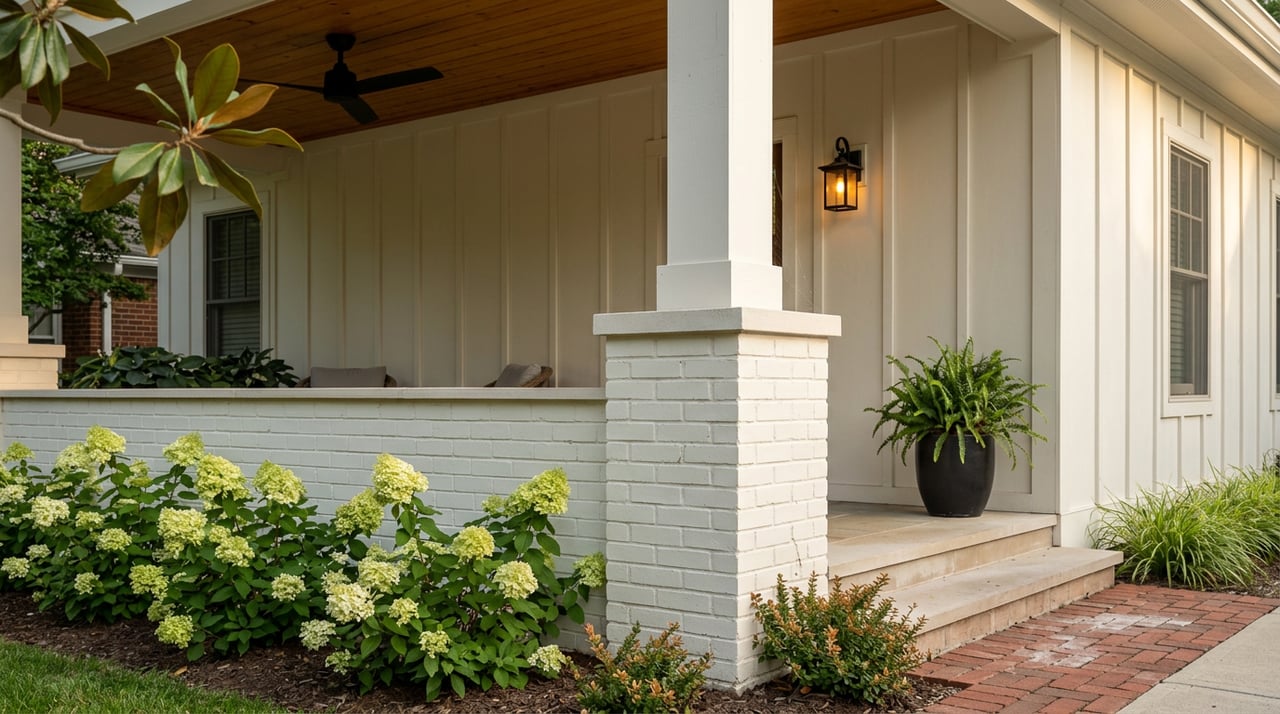
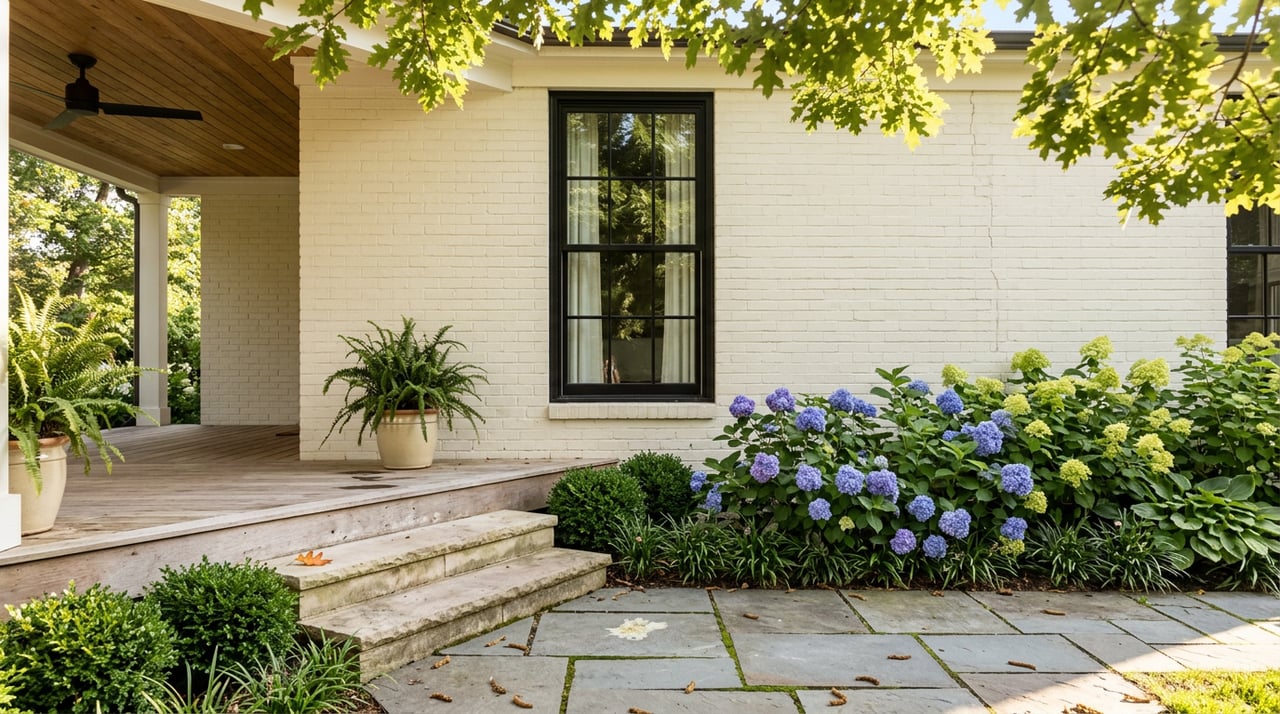
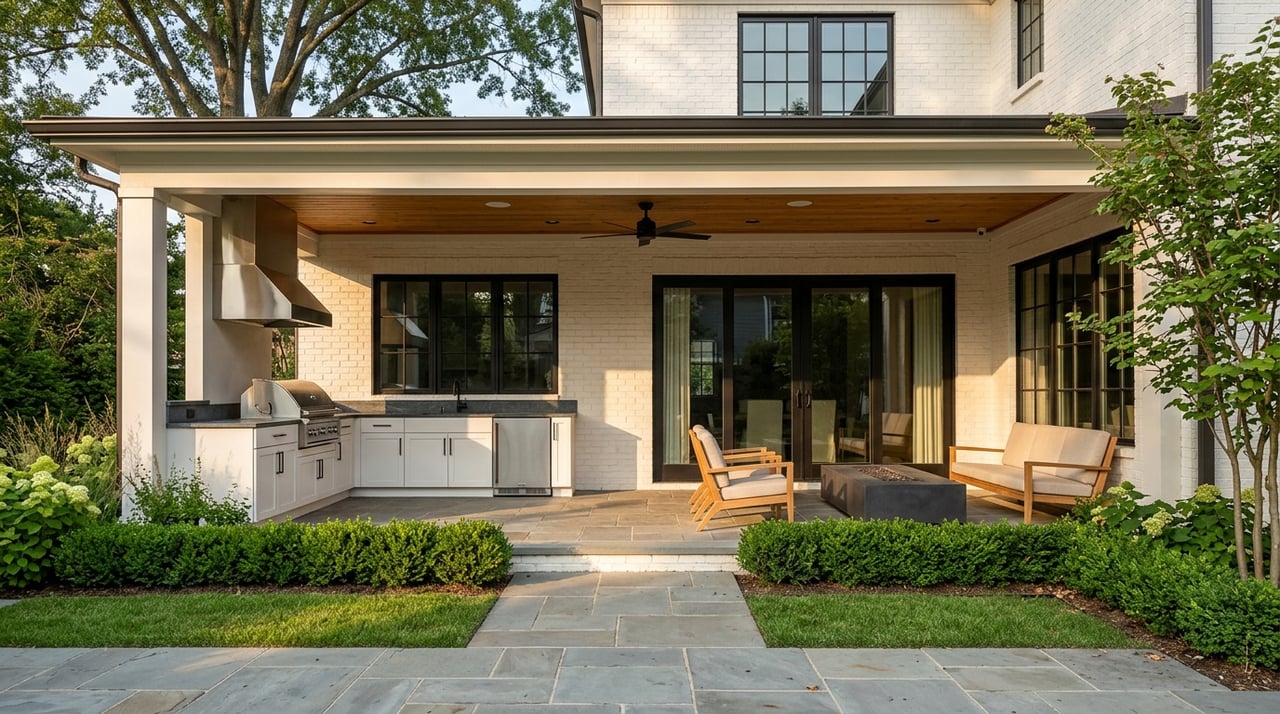
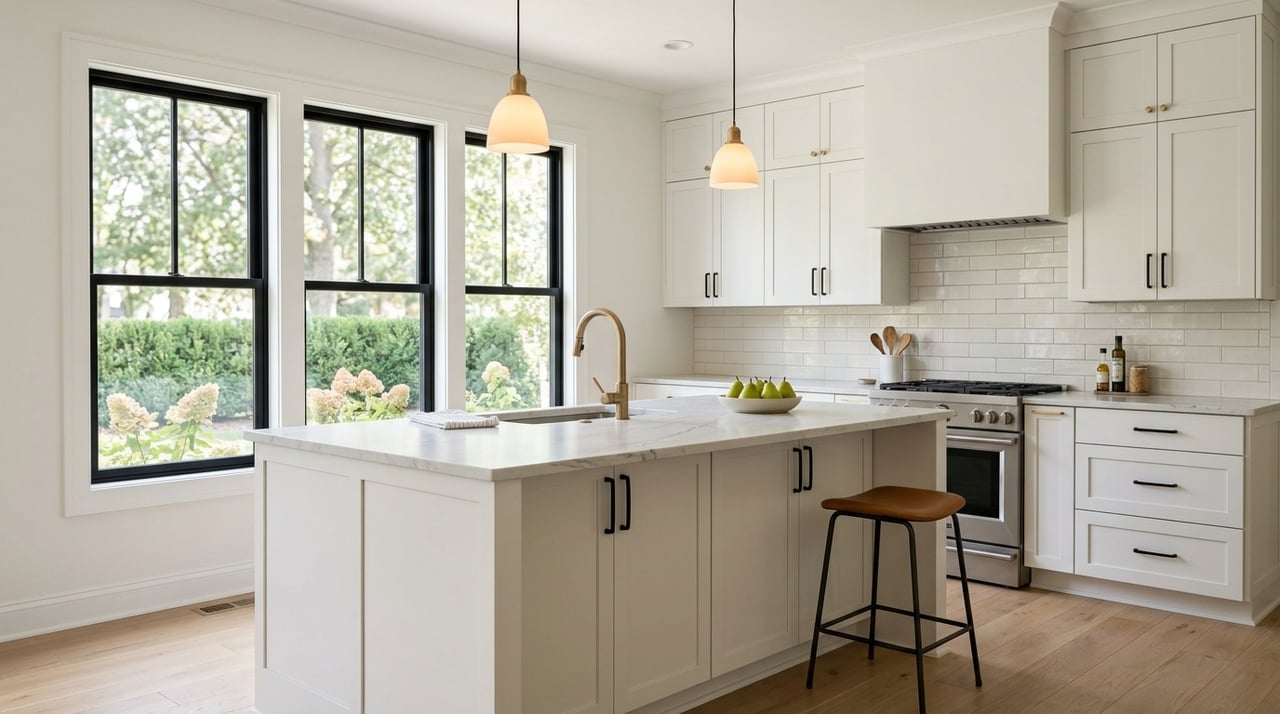
Pair these points with tangible home features like lot size, architectural quality, and recent updates. Buyers should see a trusted, well-kept environment plus a standout property.
A practical decision framework
To decide whether Belle Meade fits your goals, walk through three steps:
Define your priorities. Are you most focused on neighborhood character, lot size, and privacy, or on minimizing ongoing taxes and fees?
Compare the full cost of ownership. Add Metro taxes plus the Belle Meade city levy, utilities, and insurance. Contrast that with a Metro-only neighborhood with similar housing.
Consider long-term value. Think about how local standards, low turnover, and limited supply may support stability. Acknowledge that pricing reflects both municipal services and the unique housing stock.
This approach keeps your decision grounded in both lifestyle and numbers.
Key reminders about schools
Public schools for Belle Meade addresses are part of Metro Nashville Public Schools. The city’s municipal status does not create a separate public school system. If schools are a top priority, review Metro school zoning for your specific address and evaluate options objectively.
How I help you compare and decide
As your advisor, I build a side-by-side ownership model that includes current Metro and Belle Meade tax rates, expected utilities, and insurance estimates, then pair it with market data for nearby neighborhoods. You get a clear comparison of costs, competition, and likely resale dynamics without guesswork.
For sellers, I combine data-driven pricing with polished preparation and marketing through a structured, three-phase plan. The goal is to present your home at its highest potential and speak to the high-value aspects of Belle Meade living in a way buyers trust.
Ready to weigh the tradeoffs with clarity and confidence? Let’s connect and start your Nashville search.
FAQs
Do Belle Meade homeowners pay two property taxes?
- Yes. You typically pay the Metro Nashville property tax plus a separate Belle Meade municipal levy that funds local services.
Are Belle Meade’s public schools separate from Metro?
- No. Public schools are part of Metro Nashville Public Schools. Belle Meade does not operate a separate public school system.
Which services are handled locally versus by Metro?
- Belle Meade commonly provides local policing, ordinances and code enforcement, municipal court functions, and some public works, while Metro provides schools, major infrastructure, and many countywide services.
Will my total property taxes be higher than in nearby Metro-only neighborhoods?
- Often the combined bill is higher because you pay both Metro and the city levy, but exact amounts depend on current rates and your assessed value.
Do city services alone explain Belle Meade’s higher prices?
- Not entirely. Local services and identity can support demand, but prices also reflect larger lots, limited inventory, historic homes, and overall market dynamics.
Ready for a tailored Belle Meade versus Metro comparison for your price range? Connect with Parker Brown at Unknown Company and get a clear, data-informed plan.