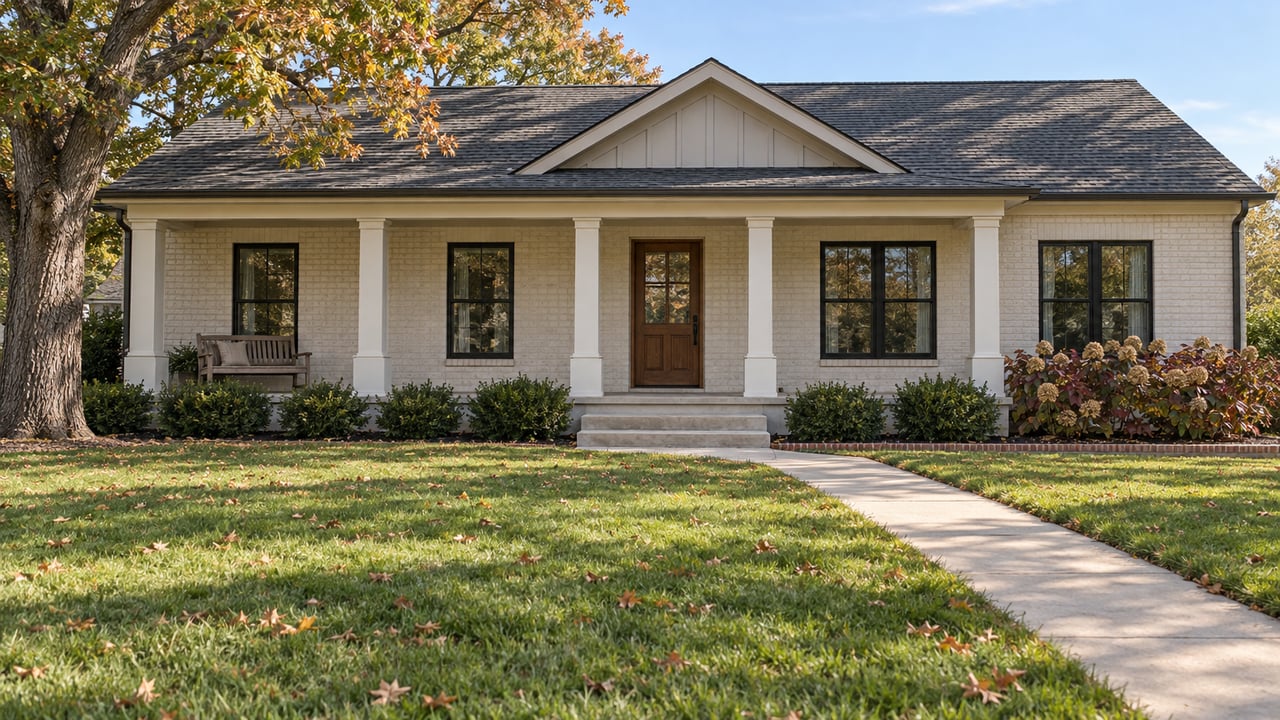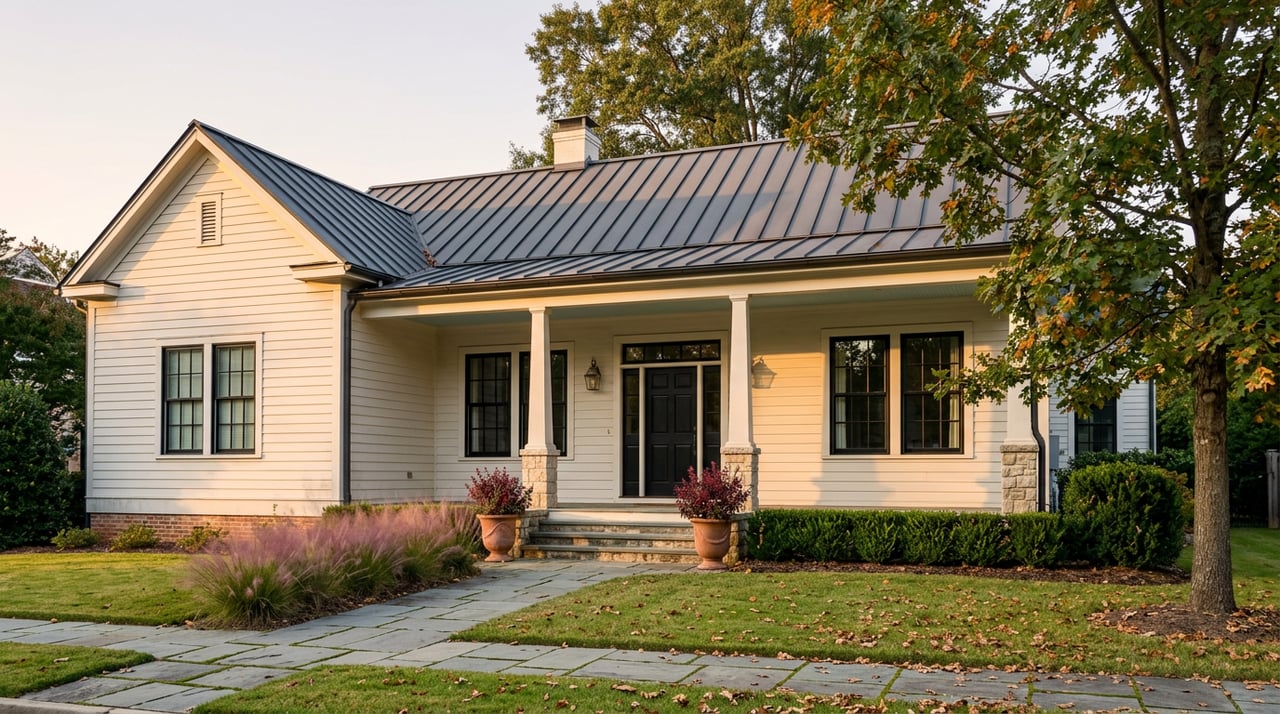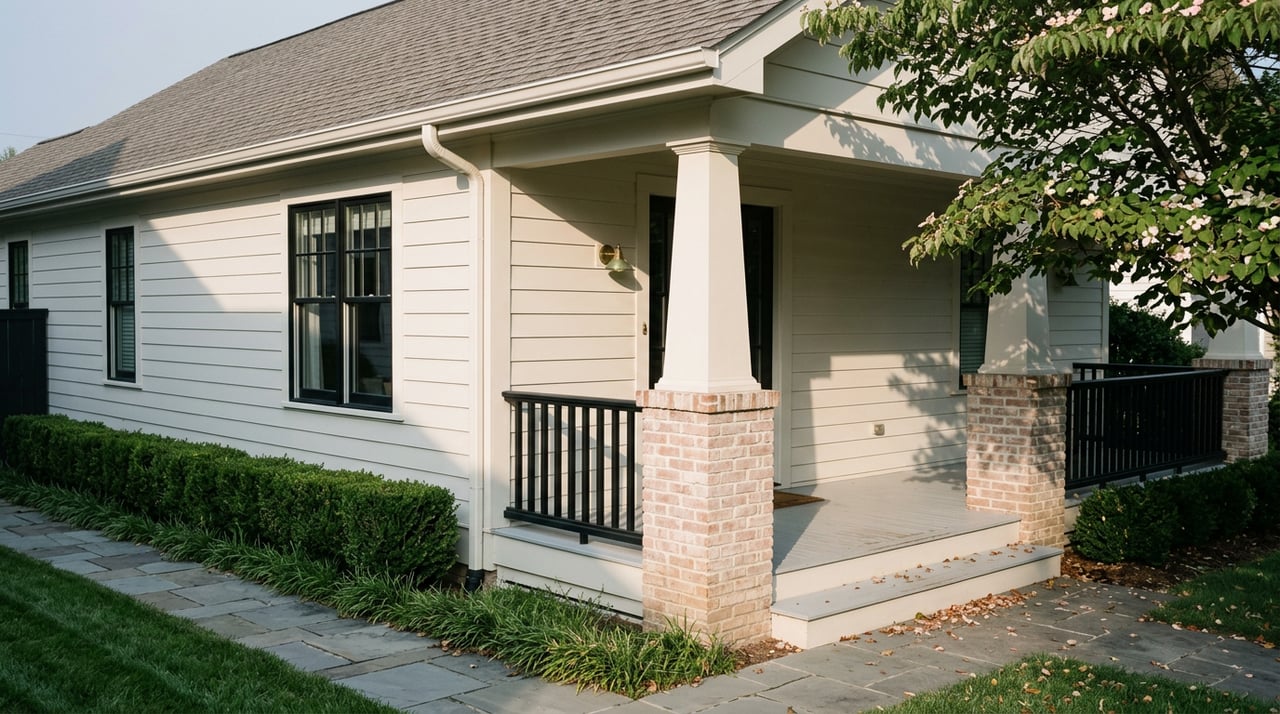
Worried about how a home appraisal might affect your move in Franklin? You are not alone. Whether you are buying or selling, the appraisal can shape financing, negotiations, and timing. In this guide, you will learn what appraisers look for, how Franklin’s market influences values, and practical steps to avoid last‑minute surprises. Let’s dive in.
Appraisal basics in Franklin
What an appraisal is
A home appraisal is an independent opinion of market value as of a specific date. A licensed appraiser analyzes comparable sales, inspects the property, and reviews market conditions. Lenders use this report to confirm the property supports the loan amount.
Who orders it and when it matters
In most purchases, the buyer’s lender orders the appraisal after you go under contract. The appraisal helps validate price for the bank. If the value comes in below the contract price and there is an appraisal contingency, you may renegotiate, bring extra cash, or cancel. A higher‑than‑expected value usually does not change much, it just adds lender comfort.
Appraisal vs inspection vs CMA
- Appraisal: value for lending based on market data and property condition.
- Home inspection: condition of systems and structure for buyer protection.
- CMA: a real estate professional’s pricing analysis, not a formal appraisal, but useful for setting list and offer strategies.
How it impacts buyers and sellers
For buyers
Lenders lend on the lesser of the purchase price or appraised value. If the appraisal is low, your options include renegotiating price, paying the difference in cash, asking the lender for a review or second opinion, or canceling if your contract allows. Loan types vary. Conventional loans may receive appraisal waivers in limited cases. FHA and VA loans include minimum property requirements that can trigger repair needs.
For sellers
Pricing above recent comparable sales increases the risk of a low appraisal. A strong CMA or a pre‑listing appraisal can set expectations and reduce surprises during escrow. Addressing deferred maintenance and documenting permitted upgrades helps appraisers support value.
Local market context
Franklin and Williamson County are higher‑priced, in‑demand suburban markets near Nashville. Tight inventory and strong buyer demand can push contract prices above recent sales, which raises the chance of appraisal gaps. Neighborhood factors such as proximity to historic downtown, gated or amenity communities, new master‑planned developments, and lots near conservation or water features require careful comp selection. In fast‑moving markets, sales from just weeks earlier may lag current pricing.
What appraisers consider locally
Core valuation drivers
Appraisers prioritize recent, nearby comparable sales with similar size, layout, age, and condition. They evaluate usable living area, bedroom and bath count, quality of finishes, site features, and view or privacy. Market conditions and time adjustments matter, especially when prices are rising or cooling. Unpermitted additions often lead to negative adjustments or exclusion.
Franklin specifics
Franklin includes historic homes where restoration quality and historic‑district guidelines can influence marketability. Some areas near rivers and creeks may lie in flood zones, which can affect value and insurance considerations. HOA fees, amenities, and community rules are part of the analysis. Zoning and permitted uses can also shape value on larger or unique parcels.
What is not considered
Appraisers do not consider personal motivations, most personal property, or future improvements that are not completed and permitted.
Prepare for a smoother appraisal
Seller checklist
- Gather permits, contractor invoices, warranties, HOA documents, survey, and recent utility bills.
- Complete small, high‑impact repairs such as roof leaks, HVAC issues, and safety items.
- Address unpermitted work or disclose it clearly, and be ready for adjustments.
- Share a comps packet through your listing agent with recent sales, pendings, and relevant notes about neighborhood differences.
Buyer checklist
- Include an appraisal contingency that matches your risk tolerance. If you waive it, consider an appraisal gap cap.
- Schedule your home inspection early so you know the condition before making appraisal decisions.
- Prepare cash reserves or plan financing if offering above recent comps.
- Ask your agent to pass helpful documentation to the appraiser through the lender when allowed.
- If value comes in low, consider renegotiation, paying the gap, requesting a lender review, or canceling if your contract allows.
How your agent helps
A strong agent curates the best comparable sales, coordinates access so the appraiser can complete a full review, and highlights improvements and neighborhood context. With a financing‑savvy approach, your agent can advise on appraisal contingencies, waivers, and gap strategies so you stay protected while remaining competitive.
Common outcomes and solutions
If the appraisal is low
- Renegotiate the sale price so it aligns with the appraised value.
- Bring additional cash to cover the gap between appraised value and contract price.
- Ask your lender about a reconsideration of value or reinspection if details were missed.
- In limited cases, order a second appraisal per lender policy.
- Cancel the contract if protected by an appraisal contingency and agreement cannot be reached.
Waivers and alternatives
Some conventional loans may qualify for automated appraisal waivers. These are less likely for unique properties or higher loan‑to‑value scenarios. FHA and VA loans include minimum property requirements and usually require full interior inspections.
Timing and cost
Most appraisals return in roughly 3 to 10 business days once ordered, depending on appraiser availability and property complexity. Fees vary by size and complexity, and buyers typically pay through the lender.
Local resources to know
- Williamson County Assessor of Property for parcel data and tax history.
- City of Franklin for permits, planning, zoning, and historic‑district information.
- FEMA Flood Map Service Center for flood zone checks, especially near the Harpeth River and local creeks.
- HUD, VA, and Fannie Mae or Freddie Mac guides for appraisal and underwriting standards.
- Local MLS data and REALTOR associations for up‑to‑date comparable sales and market trends.
Smart strategies for Franklin
- Price with precision. Align with recent, relevant comps in your immediate area and subdivision.
- Document upgrades. Provide clear proof of permitted improvements and major system replacements.
- Plan for gaps. Use contingencies, cash reserves, or negotiation strategies to handle a lower value.
- Mind the specifics. Historic status, HOA rules, flood zones, and unique lot features can meaningfully impact value.
Ready to align your pricing, documentation, and timeline so your appraisal supports your goals in Franklin? Reach out to discuss a data‑driven plan for your situation. Contact Parker Brown to get started.
FAQs
Do lenders accept the contract price if I have pre‑approval?
- No. Pre‑approval verifies your qualifications as a borrower. Lenders still rely on an appraisal to confirm the property’s value.
Can I or my agent share comps with the appraiser?
- Yes. You or your agent can provide recent, relevant comps and documentation. The appraiser will independently consider them.
How common are low appraisals in Franklin?
- It varies with market shifts. In fast‑rising markets, appraisal gaps are more common. In stable periods, appraisals often align with contract prices.
Do appraisals consider school districts or neighborhoods?
- Yes, indirectly. Appraisers reflect buyer demand through comparable sales, which capture factors like school boundaries and local amenities.
What if a home has unpermitted additions?
- Appraisers may exclude or adjust those areas. Retroactive permits or thorough documentation can help, but some loans may not allow unpermitted space.