Thinking about trading Nashville’s energy for Franklin’s charm? You are not alone. Many buyers want more space, a quieter pace, and a classic Main Street without losing access to jobs and culture in the city. In this guide, you will see the real tradeoffs on cost, commute, schools, taxes, and lifestyle so you can decide with confidence. Let’s dive in.
The big picture: cost, space, and vibe
Franklin is wealthier on average than Nashville, and that shows up in housing. According to U.S. Census QuickFacts for Franklin, median household income is higher and the median owner-occupied home value is about $705,400. In Davidson County, QuickFacts shows a lower median income and a median owner-occupied value around $417,400. In short, you often pay more in Franklin for larger homes, newer construction in planned communities, or a historic address near Main Street.
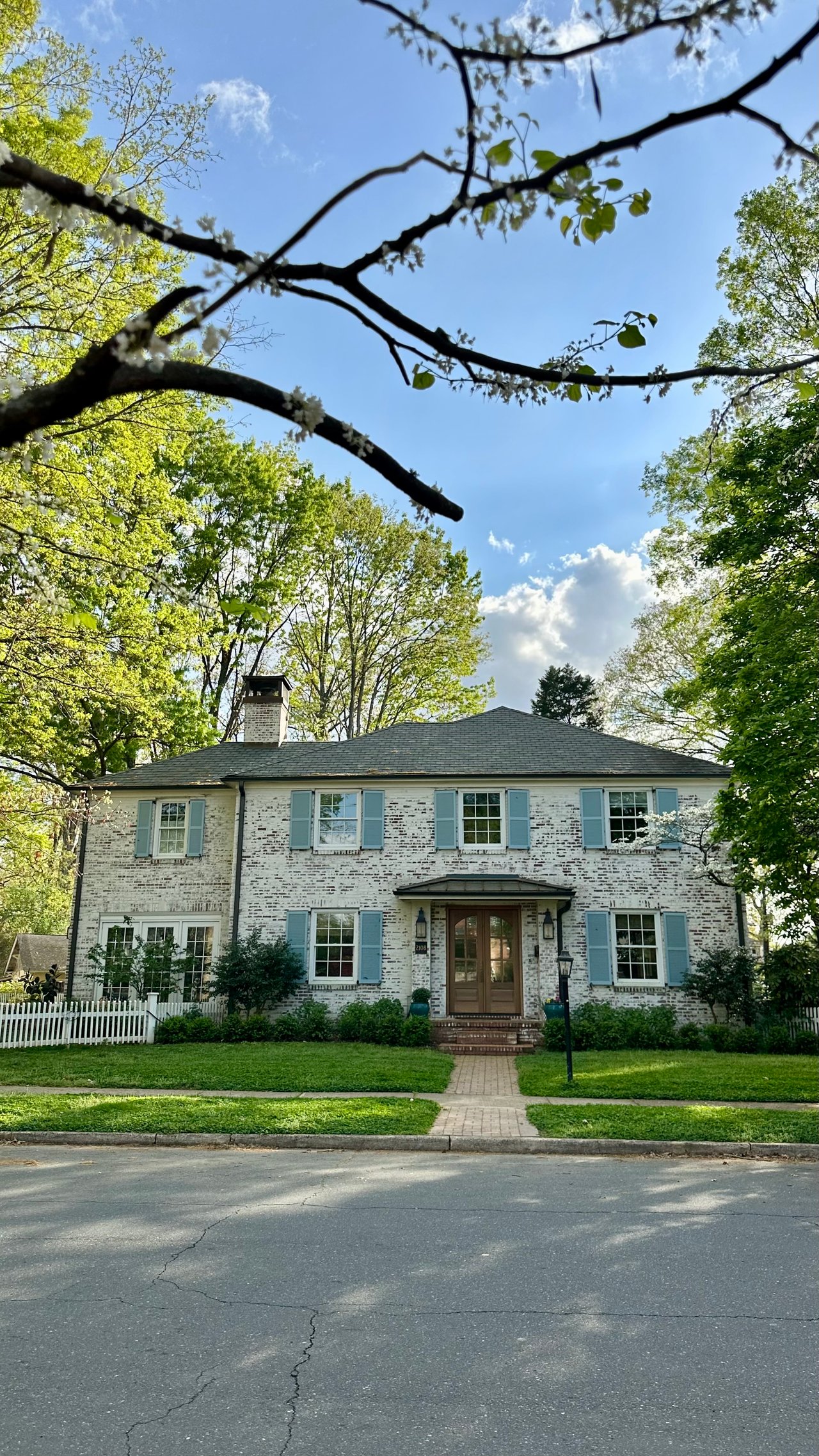
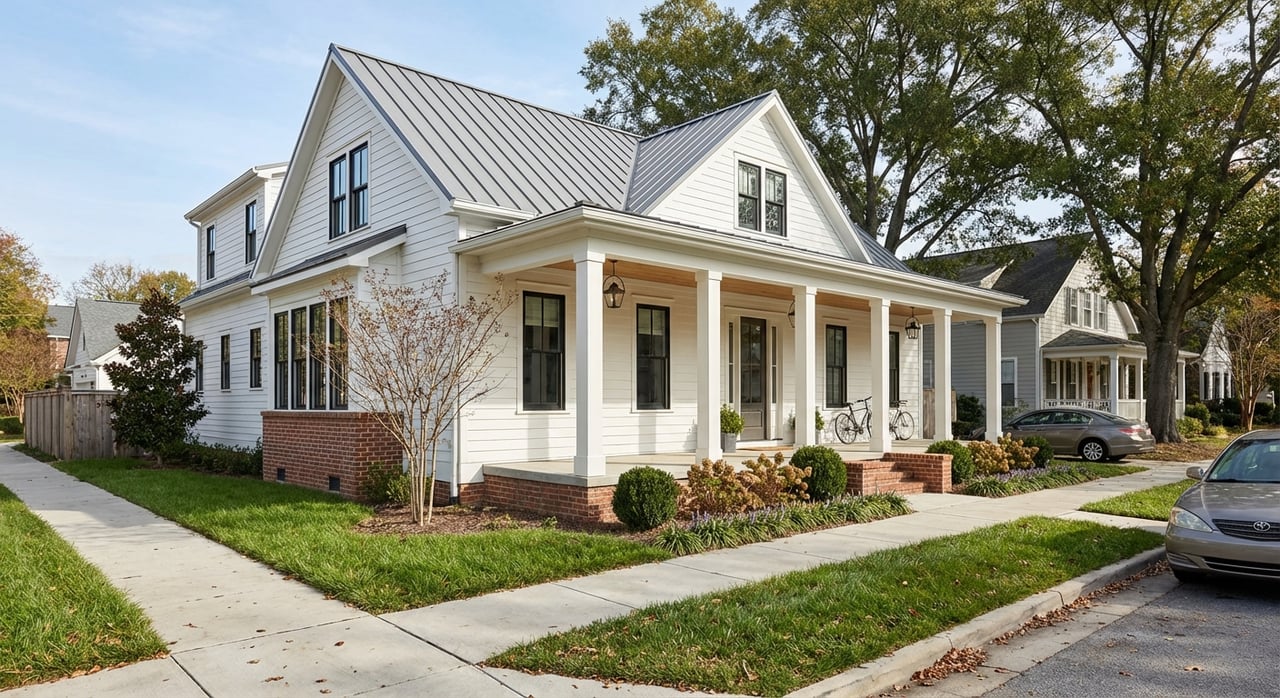
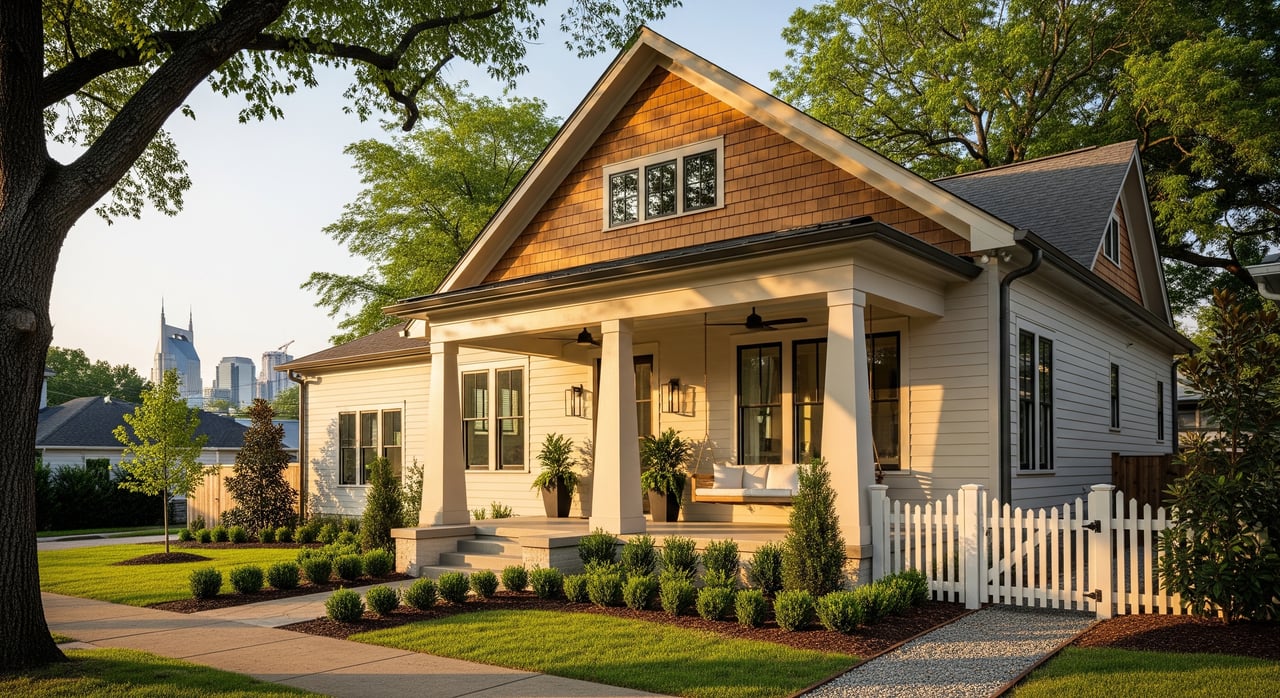
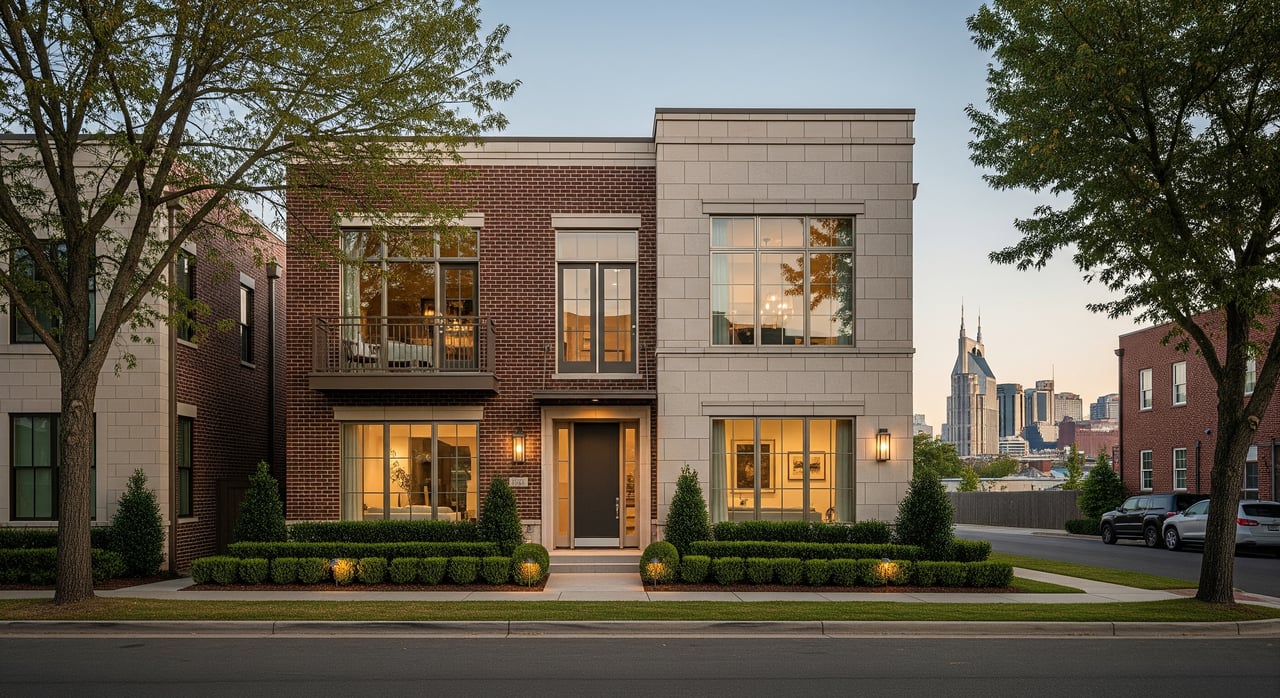
Nashville offers a wider range of housing types and price points. You will also find stronger urban amenities within shorter distances, including live music, pro sports, universities, and major hospitals. Franklin trades some of that density for a small-city feel, sidewalks under mature trees, and community events on a compact, historic Main Street.
Housing market: what you can buy
Market snapshots place Franklin’s median sale price well above Nashville’s. The Franklin housing market overview has shown median prices in the high $700k range in recent periods, with variation by neighborhood and home type. Central Franklin’s historic core often sells at a premium; Central Franklin neighborhood trends recently reflected seven-figure medians.
What you will see on tours:
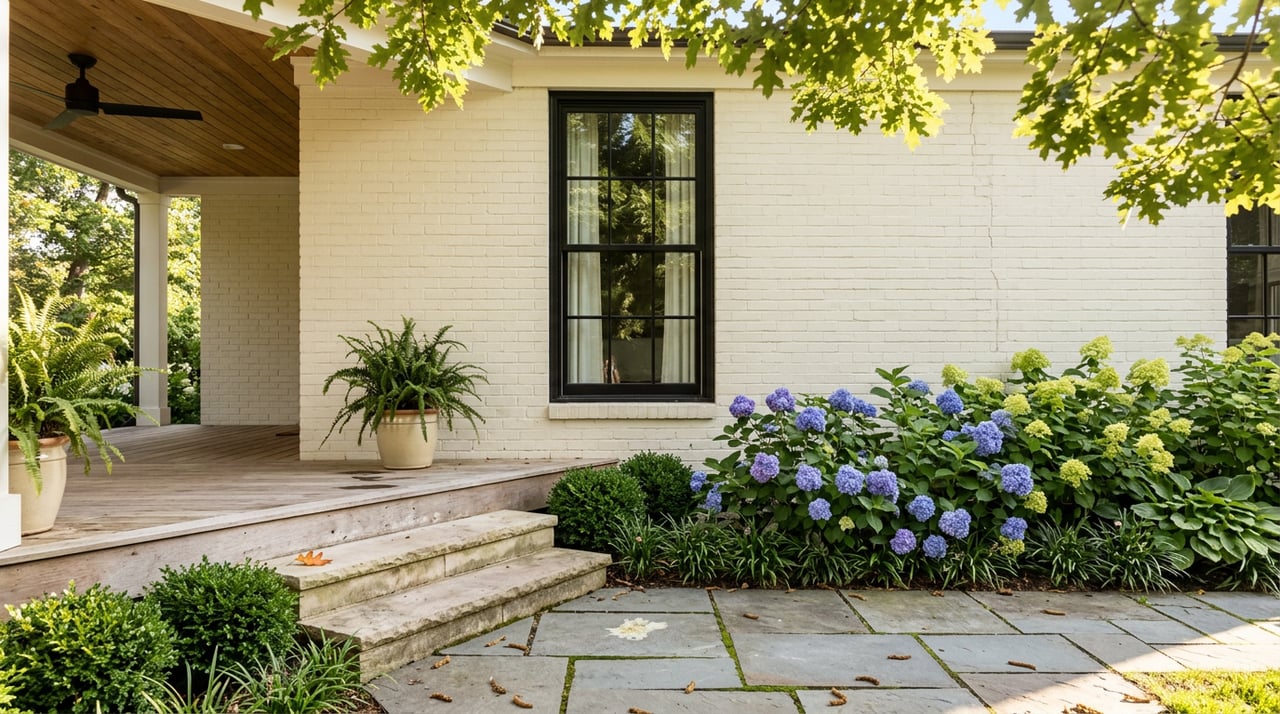
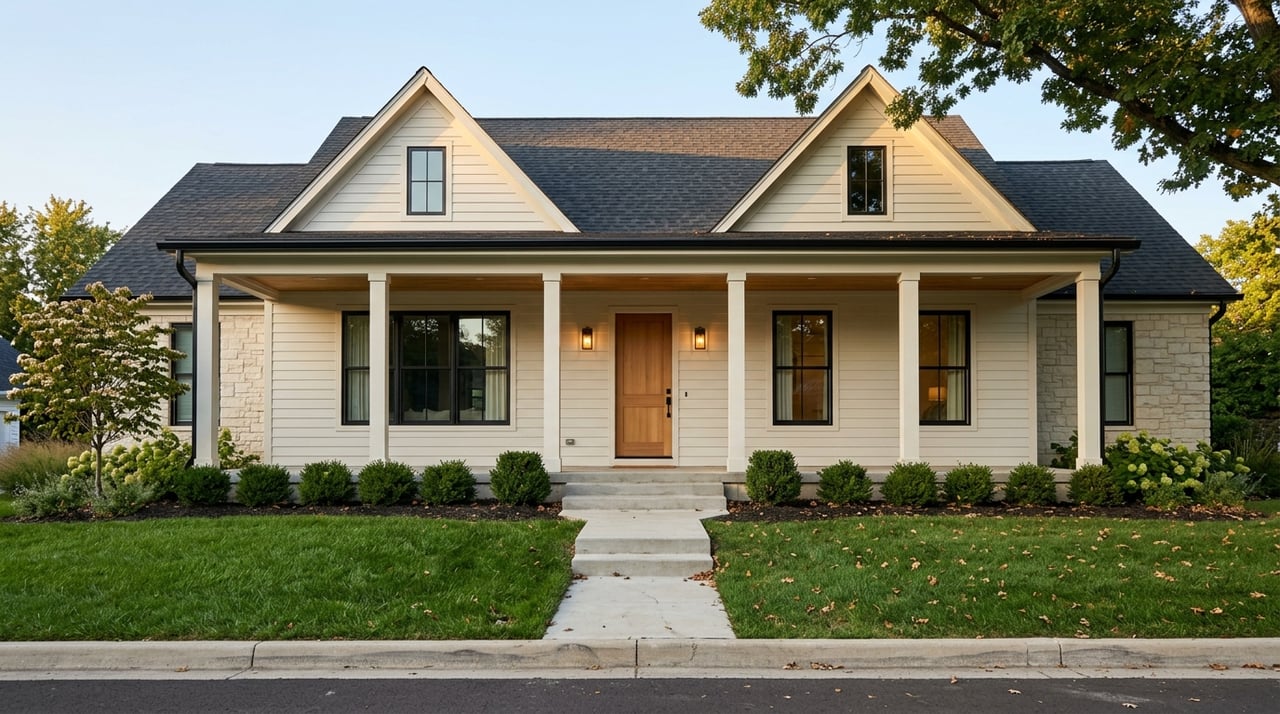
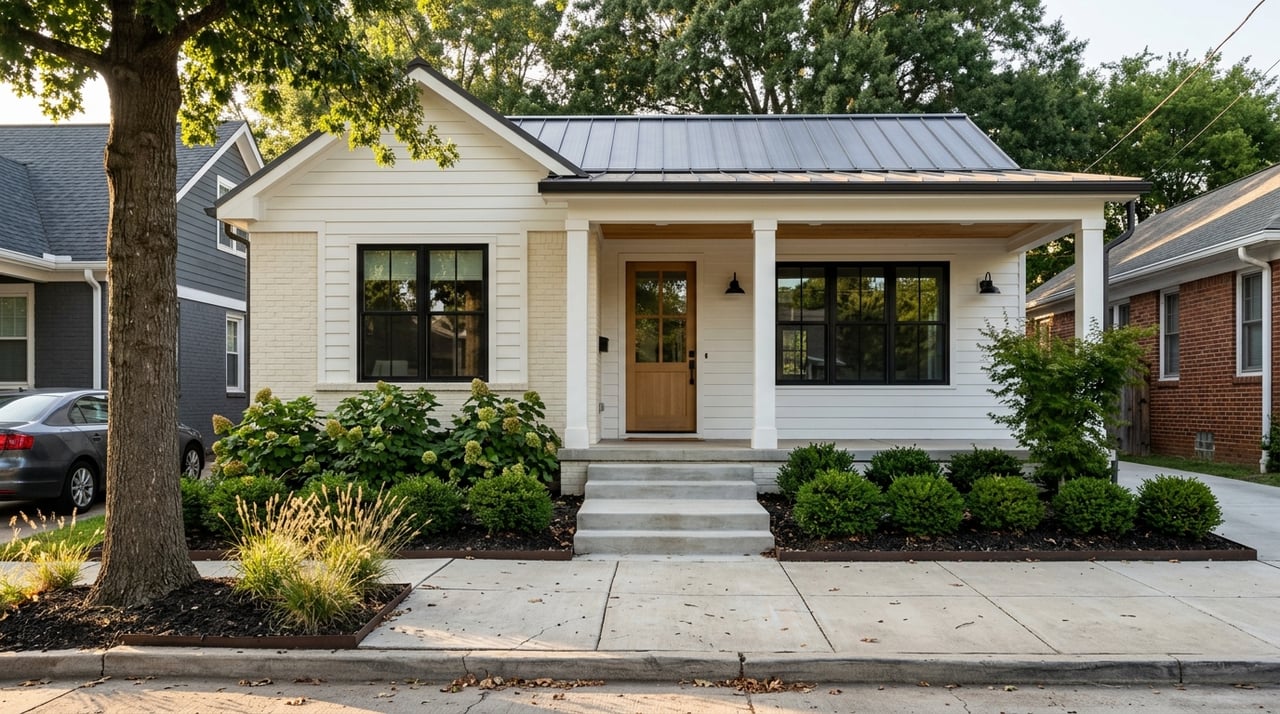
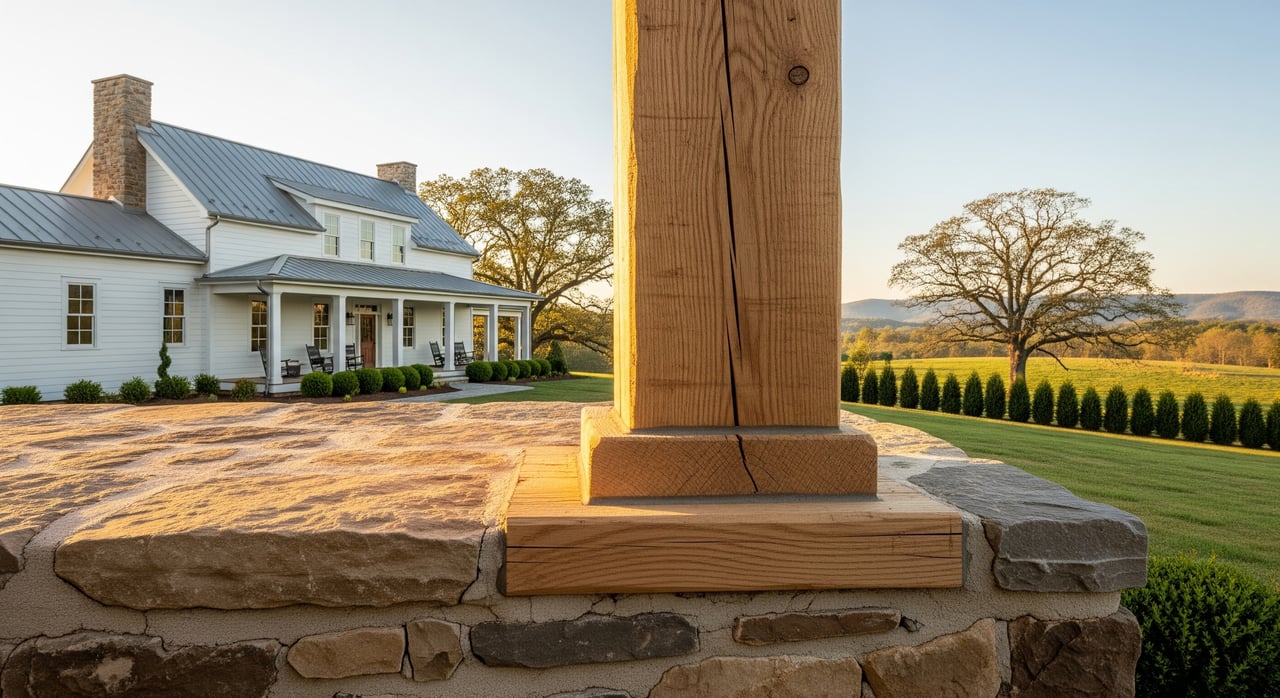
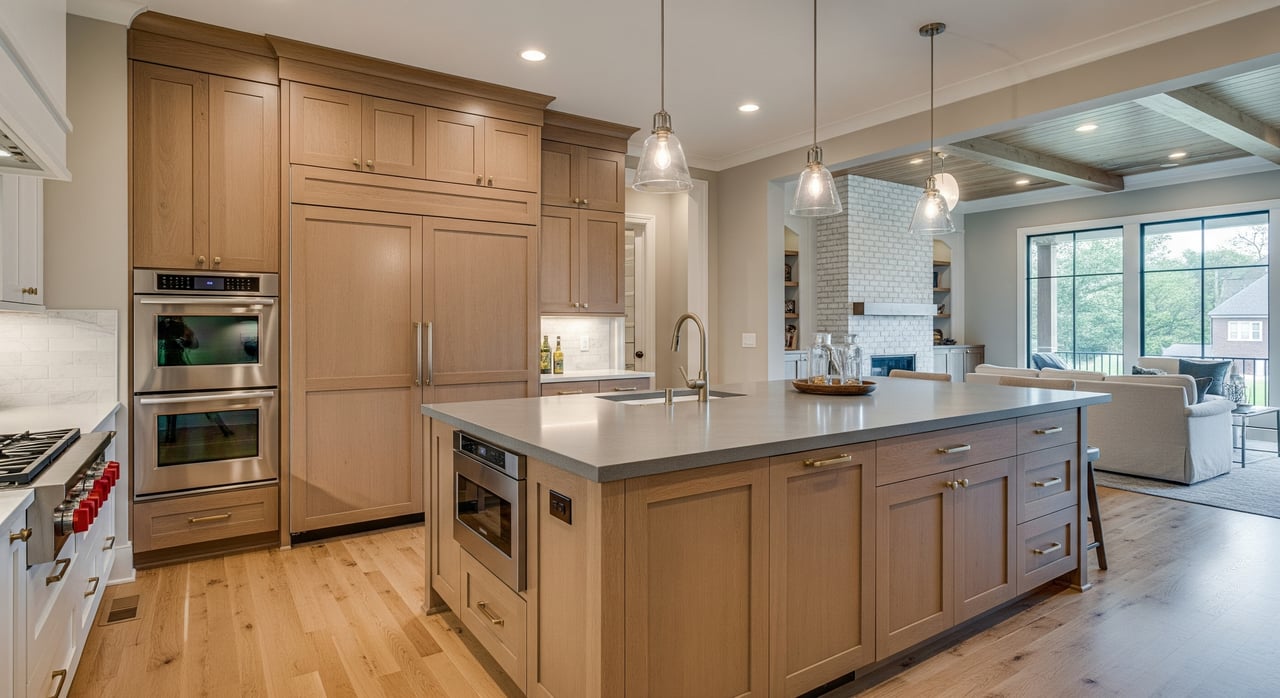
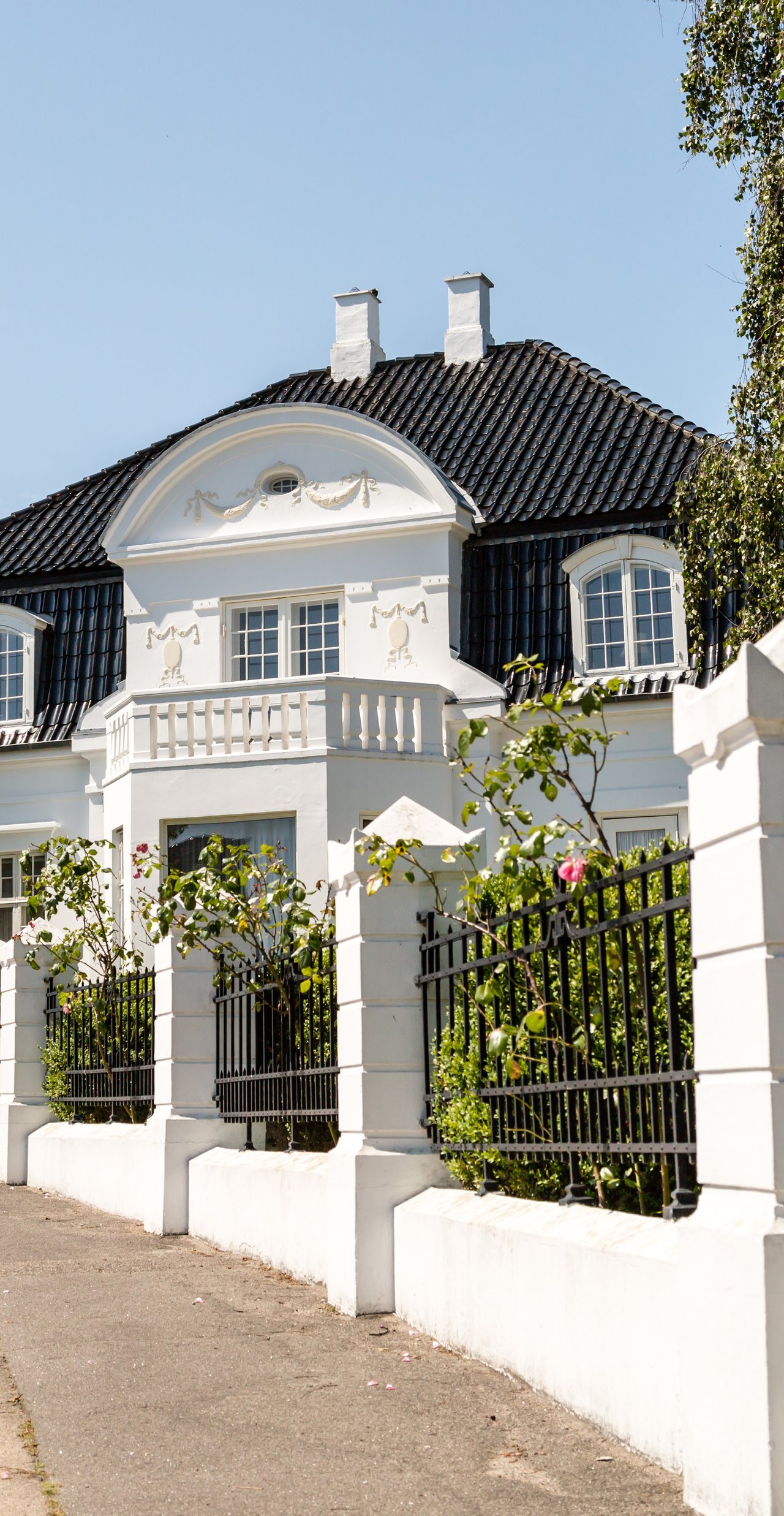
- Downtown Franklin: period homes, smaller lots, walkable blocks, boutique retail.
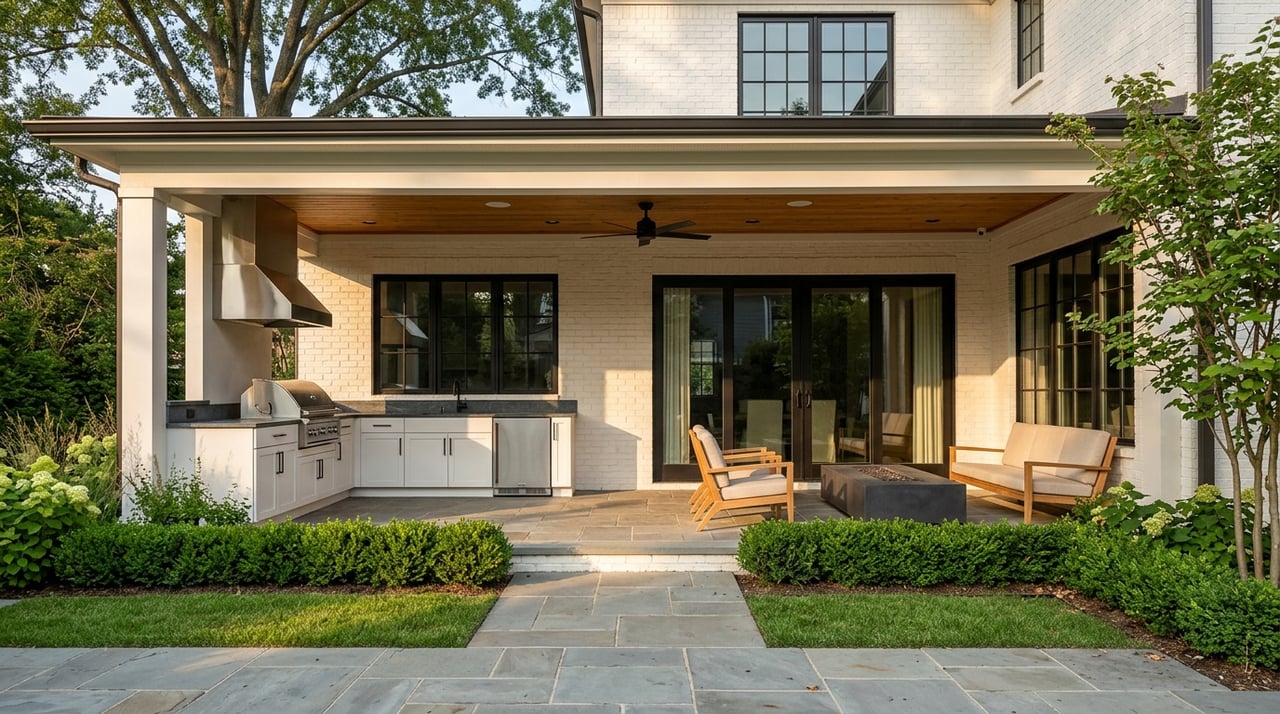
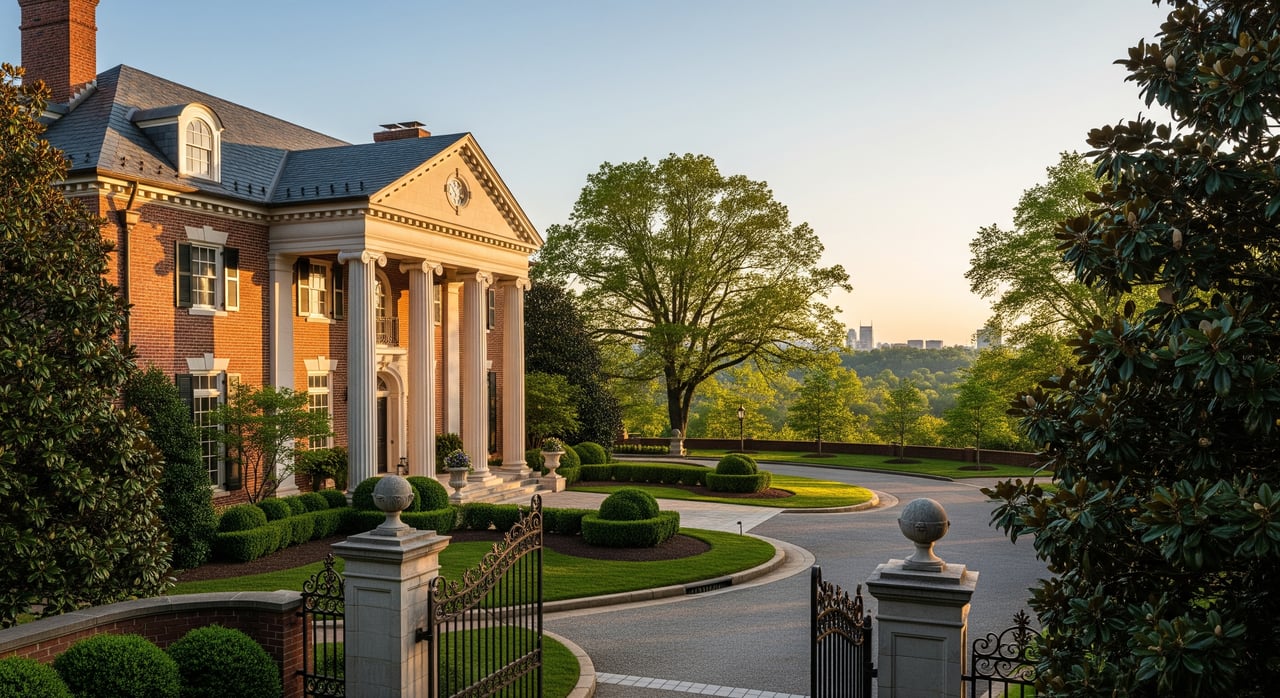
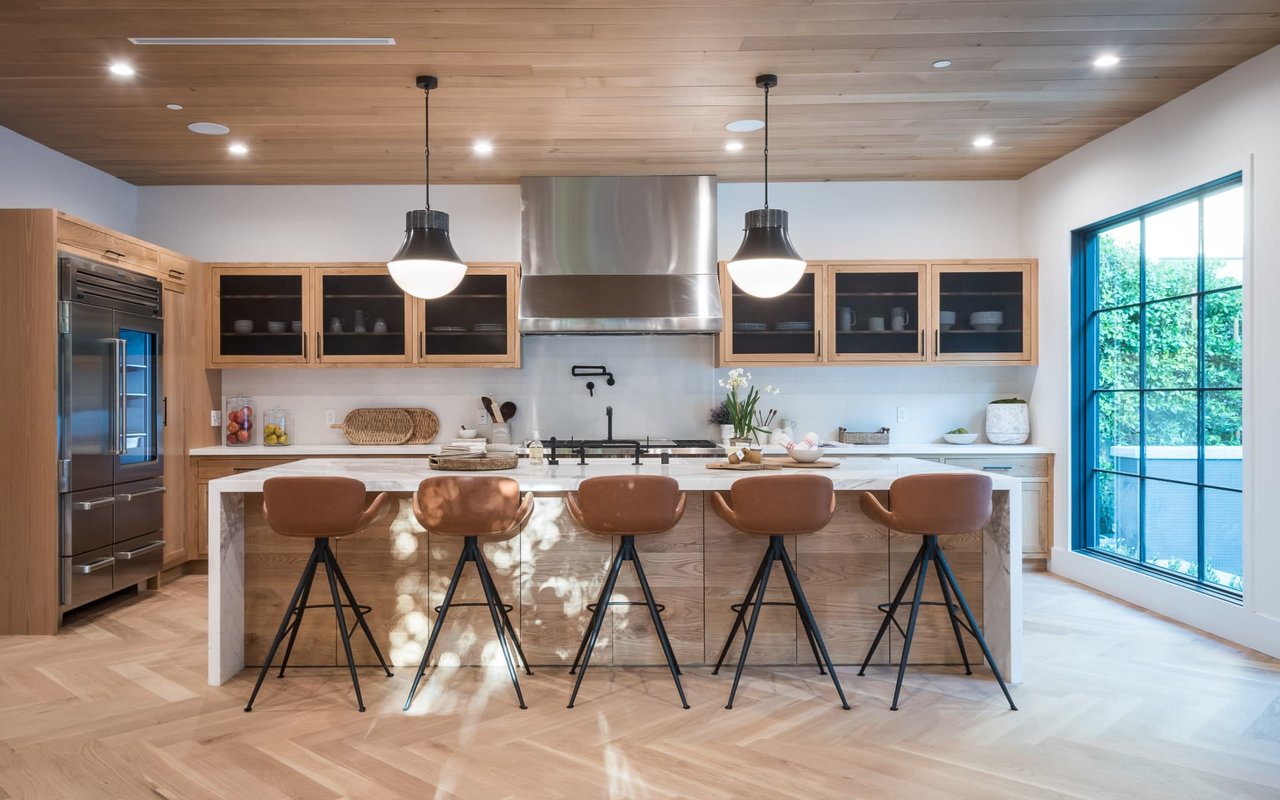
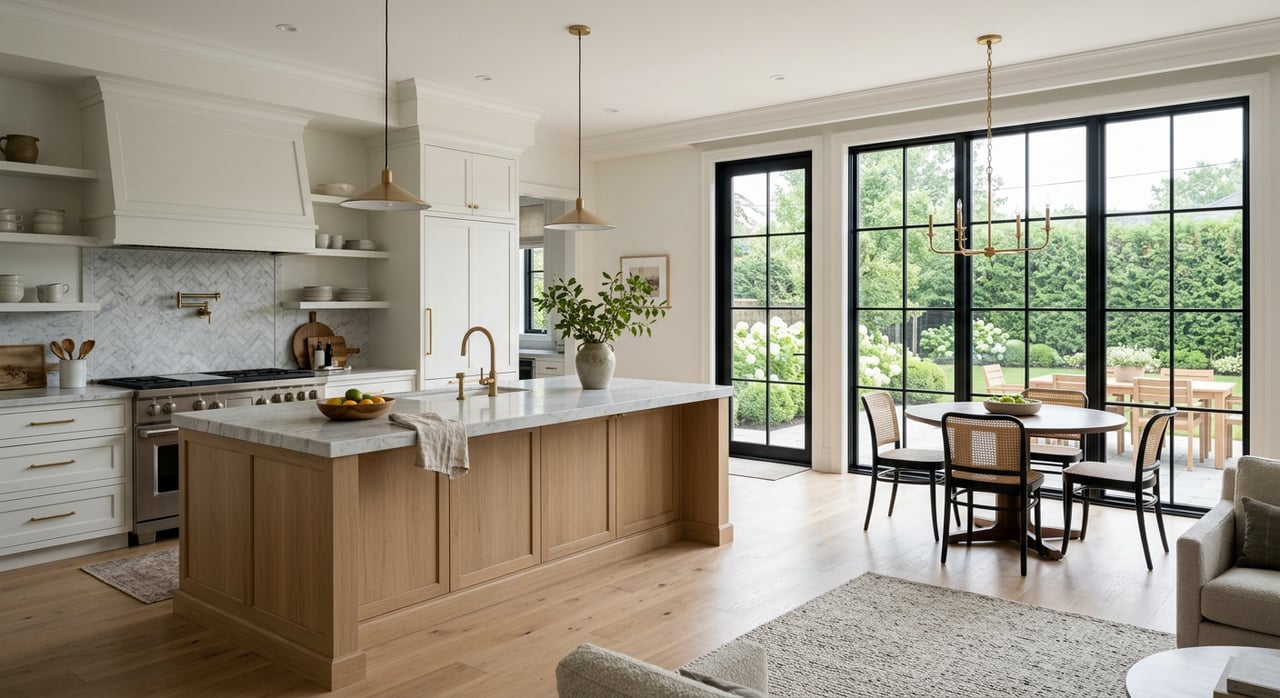
- Master-planned neighborhoods like Westhaven or Berry Farms: newer builds, amenities, and HOAs.
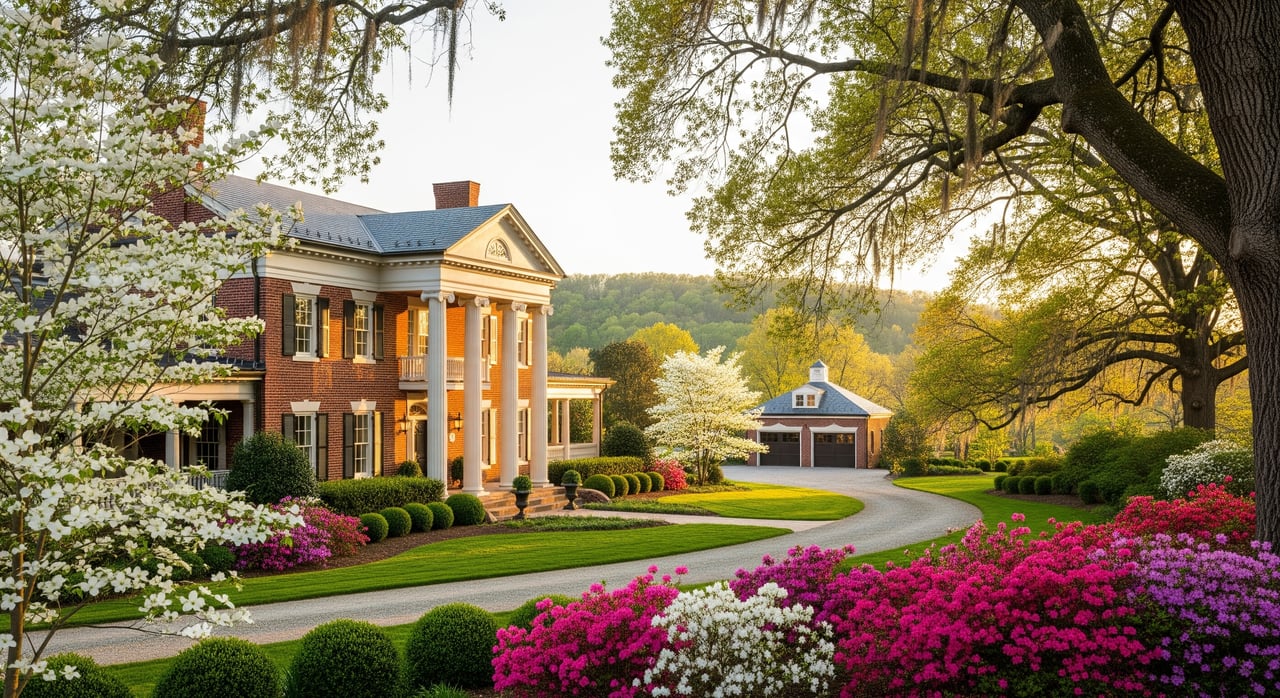
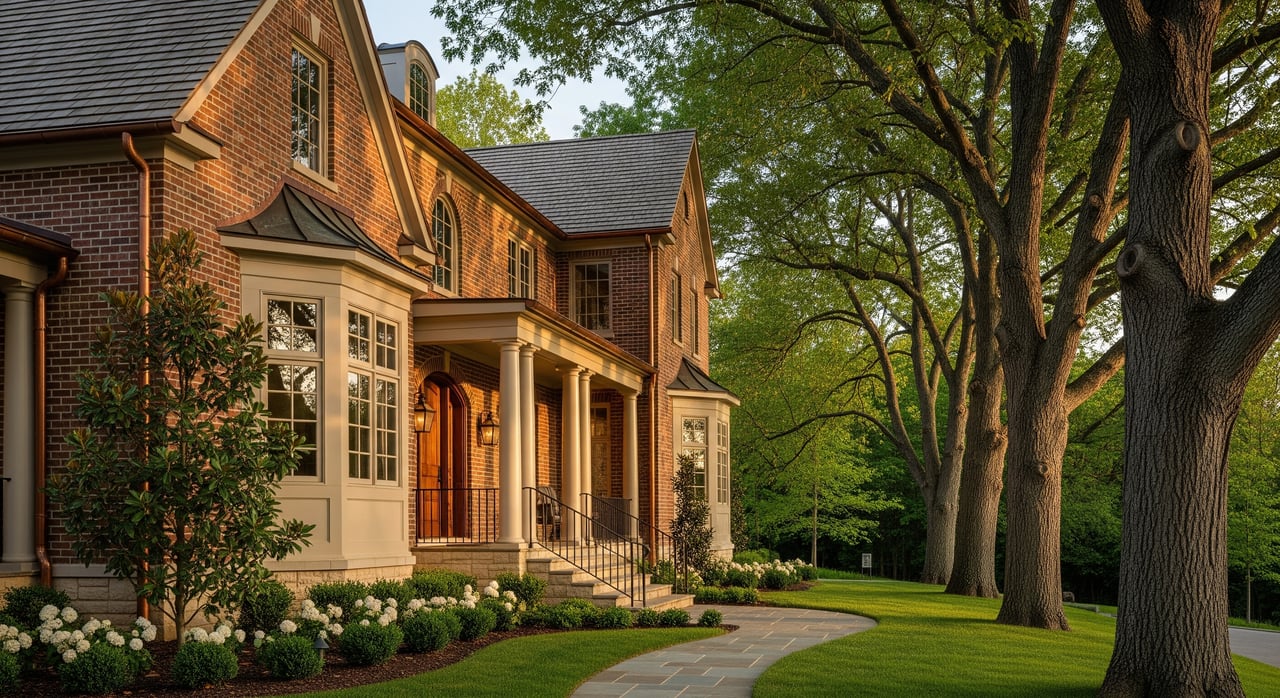
- Outlying areas: larger lots, more space between neighbors, and varied architecture.
Pricing and competition change month to month. If you are timing a move, ask for a fresh neighborhood-level snapshot before you write an offer.
Commute reality and transit options
Average commute times are similar on paper. Franklin’s mean one-way commute is about 23.9 minutes per QuickFacts, and Davidson County’s is about 24.7 minutes. Real life can differ if you drive to downtown at peak times. I‑65 is the main corridor, and TDOT lane closure notices signal ongoing projects that can slow trips.
Public transit is limited compared with in-town Nashville. The WeGo Public Transit overview shows service centered in Davidson County, with no high-frequency commuter rail from Franklin today. If you work downtown, plan for flexible hours, carpooling, or hybrid schedules to smooth rush-hour swings.
Schools and zoning basics
Franklin has two systems to understand. The Franklin Special School District (FSSD) serves many K–8 students inside the city. High school students generally attend Williamson County Schools (WCS) based on address. WCS reports strong district outcomes on the Williamson County Schools district report card.
Zoning boundaries can shift, and some subdivisions split across zones. Before you buy, verify which schools serve your exact address and confirm grade levels for each system.
Taxes and carrying costs explained
Property taxes depend on your home’s value, assessment rules, and local rates. Tennessee calculates residential assessed value at 25 percent of appraised market value, which you can see on the Metro Nashville Trustee tax calculator. Williamson County posts its certified rates on the Williamson County property tax rates page.
Quick way to estimate:
- Start with an appraised market value.
- Multiply by 25 percent to get assessed value.
- Divide assessed value by 100, then multiply by the local tax rate to estimate the bill.
Because Franklin homes often price higher, total tax dollars can still be significant even if the rate per $100 looks favorable. Also factor in HOAs, homeowners insurance, and maintenance. Historic homes may need more frequent exterior care, while newer builds in planned communities often carry monthly HOA fees.
Lifestyle tradeoffs to expect
If you love live music, late-night dining, and stadium days without a long ride, Nashville still wins on convenience. If you want a quieter home life with a strong sense of place, Franklin shines. Downtown Franklin hosts year-round community events, and the streets feel personal and small-scale. You still have quick access to parks and services, and you can be on I‑65 in minutes for a city day.
Safety context
Public datasets often show lower violent and property crime rates in Franklin and Williamson County compared with Metro Nashville overall. You can browse third-party summaries, like these summaries of crime data for Franklin, but always check official police and FBI resources for current, per-100k figures and exact boundaries. As with any market, conditions vary by neighborhood and over time.
Who tends to thrive in Franklin
- You want more square footage, a yard, or quieter streets without giving up a short drive to Nashville.
- You prefer smaller K–8 settings and strong county high school options, and you will verify exact zoning.
- You work hybrid or can shift start times to avoid peak I‑65 congestion.
- You value a historic downtown and community festivals over big-city nightlife.
How Parker helps you choose with confidence
Moving is a financial and lifestyle decision. You deserve clear numbers, plain-English guidance, and a process that fits your schedule. With a lending background and Compass tools, you get data-backed pricing, smart financing strategy, and modern workflows that include virtual tours, digital offers, and clear checklists from contract to close. If you are selling in Nashville and buying in Franklin, you can also tap premium listing prep to maximize your sale and smooth your timeline.
Ready to compare neighborhoods, taxes, commute times, and real budgets side by side? Reach out to Parker Brown to map your move with confidence.
FAQs
Will I save on property taxes by moving from Nashville to Franklin?
- Not automatically. Tennessee assesses homes at 25 percent of appraised value. Your total bill depends on the home’s value and local rates. See the Metro Nashville Trustee tax calculator and Williamson County property tax rates for current details.
How do Franklin home prices compare with Nashville’s?
- Franklin’s median sale price trends much higher. The Franklin housing market overview shows recent medians in the high $700k range, and Central Franklin neighborhood trends are often higher. Prices change by month and by neighborhood.
What is the commute like from Franklin to downtown Nashville?
- The average looks manageable, but peak I‑65 traffic and construction can add time. Franklin’s mean commute is about 23.9 minutes per QuickFacts. Check TDOT lane closure notices and consider hybrid schedules.
How are schools zoned in Franklin, and what should I verify?
- Many K–8 students attend FSSD schools, while high school students typically attend Williamson County Schools by address. Review the Williamson County Schools district report card and confirm the exact school zoning for your property before you buy.
Is Franklin safer than Nashville?
- Public summaries often show lower crime rates in Franklin than Metro Nashville, but always compare like areas, confirm the year, and use official sources. Third-party summaries of crime data for Franklin can provide context as you start your research.
What lifestyle shift should I expect after moving?
- Expect more space, quieter streets, and a historic, walkable core in Franklin. You may trade shorter access to big-city nightlife and transit for a small-city feel, community events, and easy highway access when you want the city.