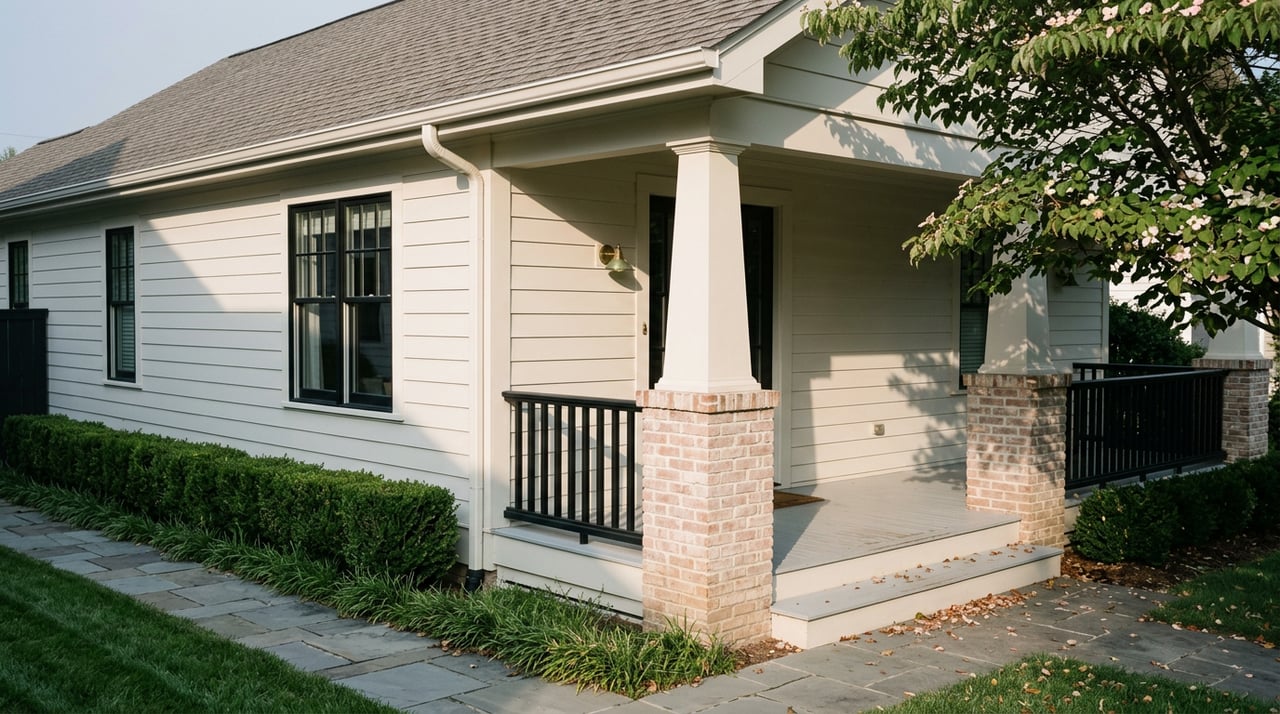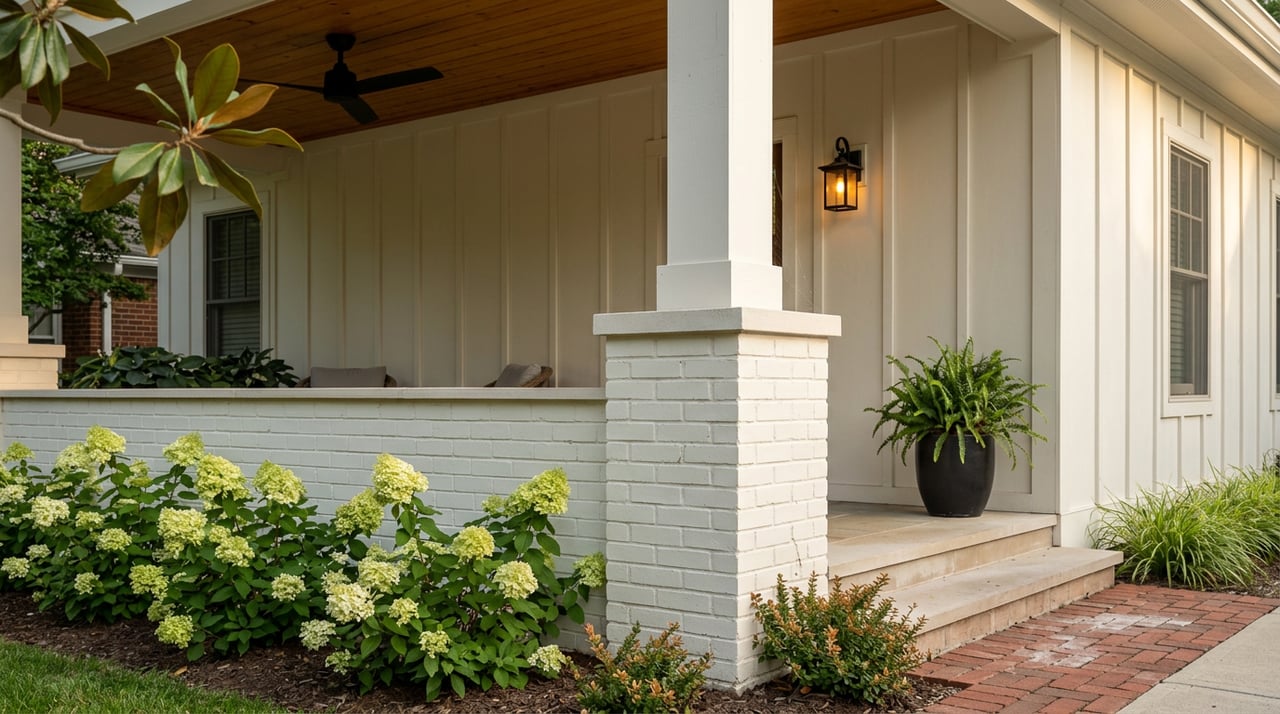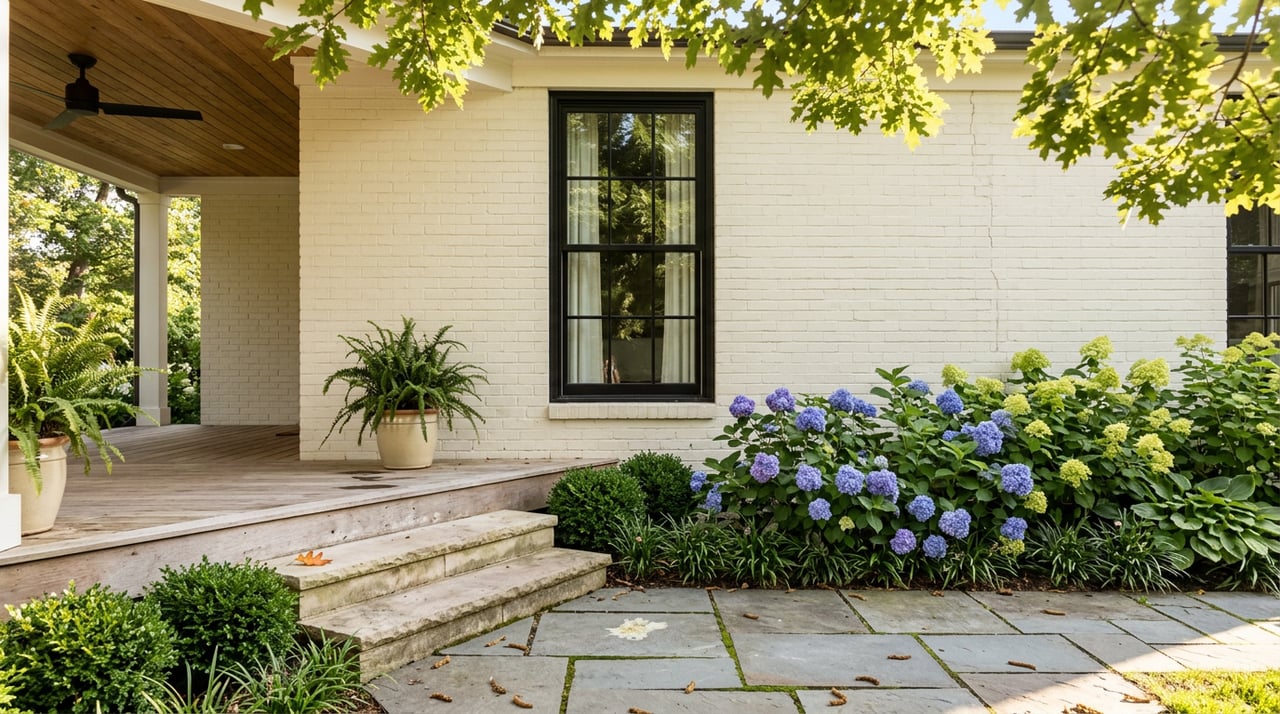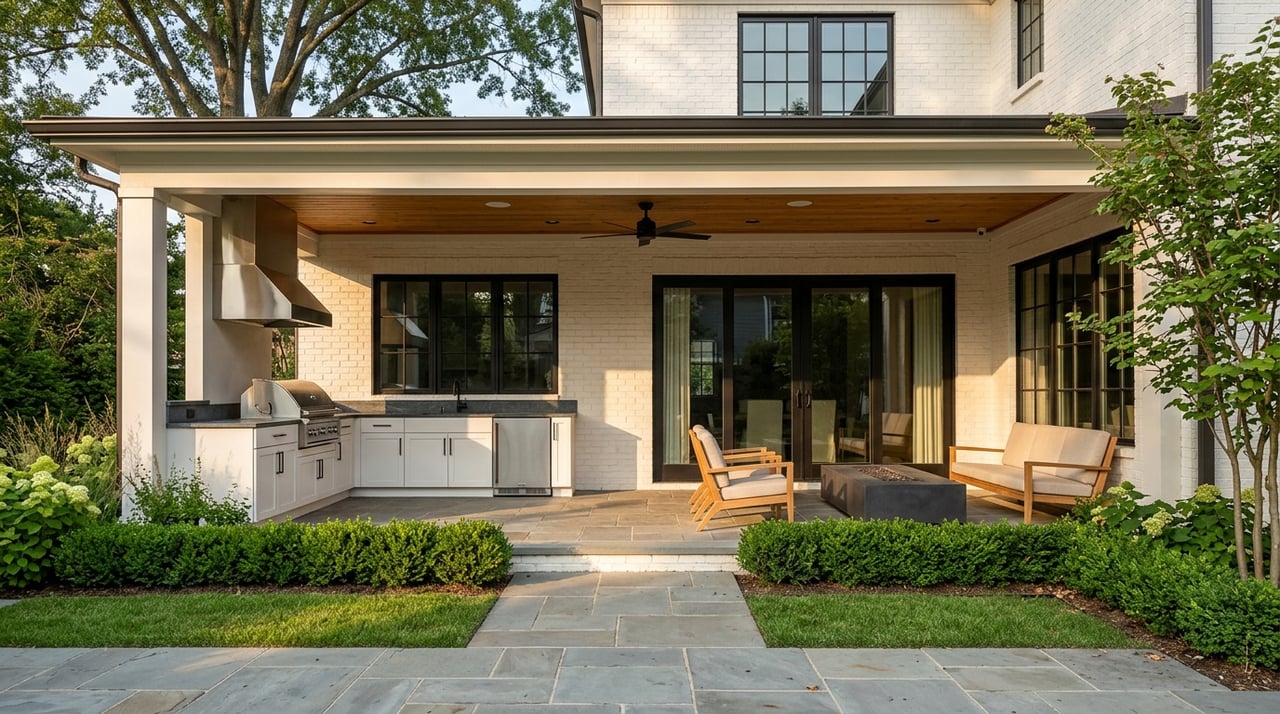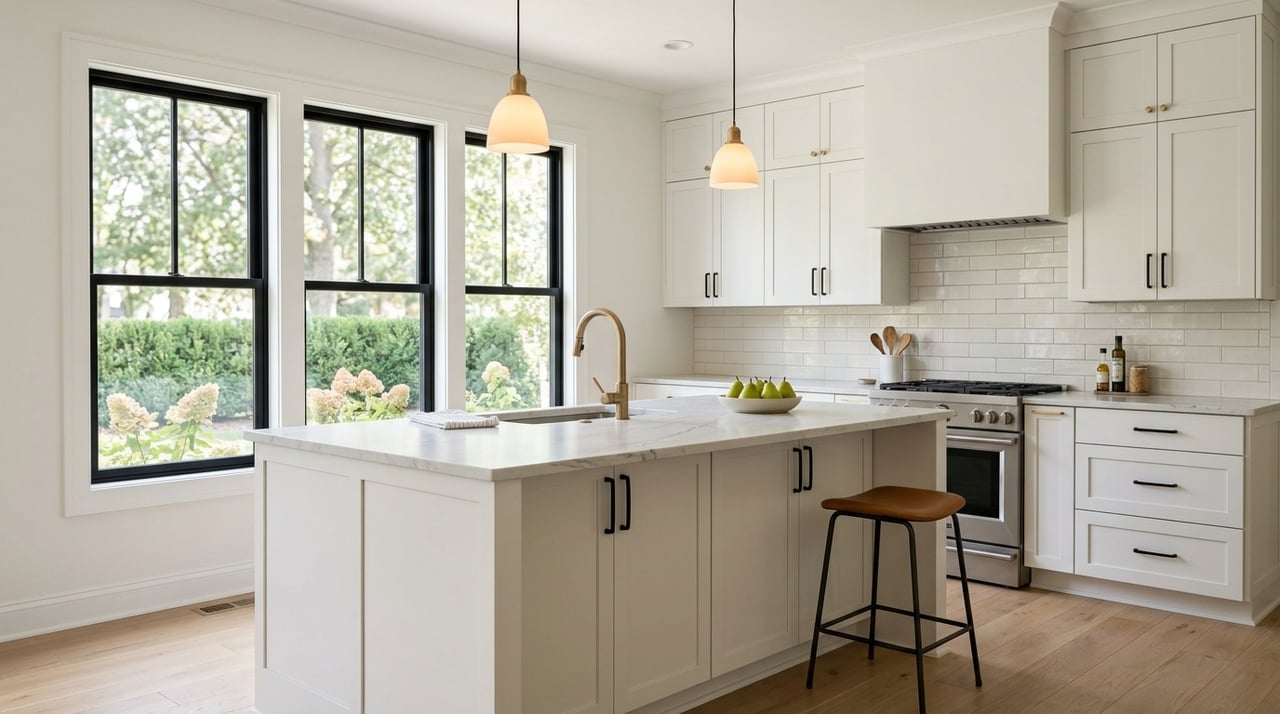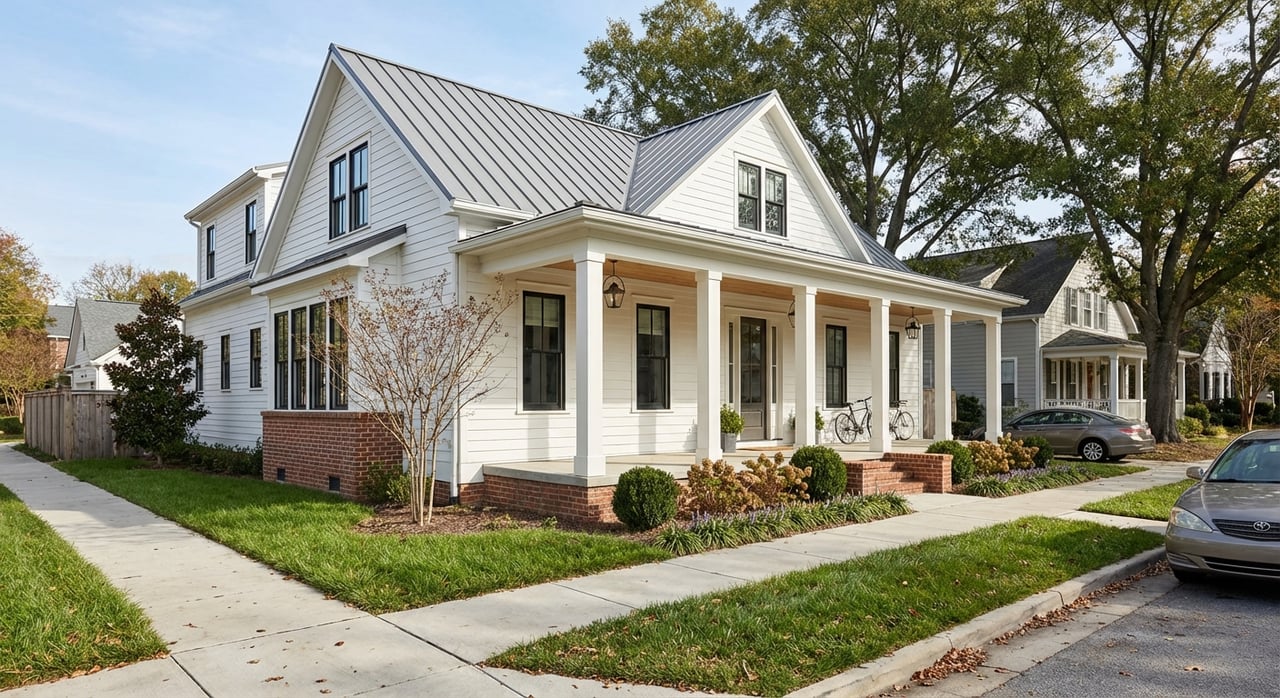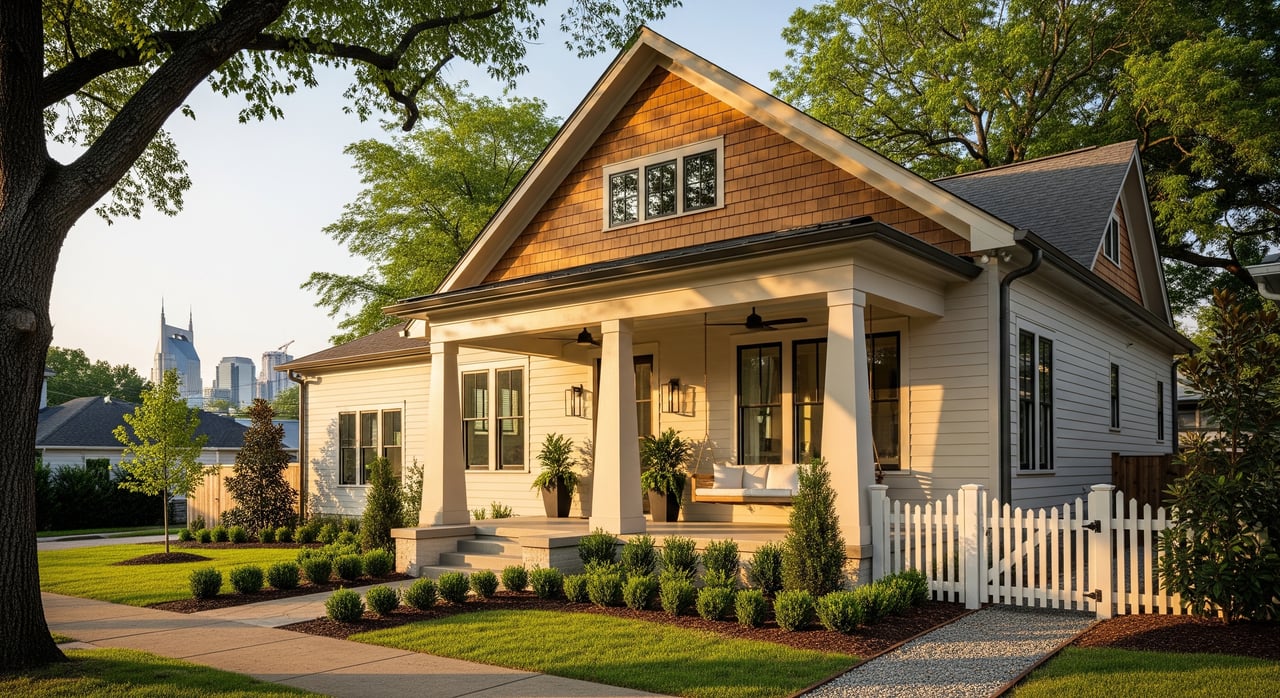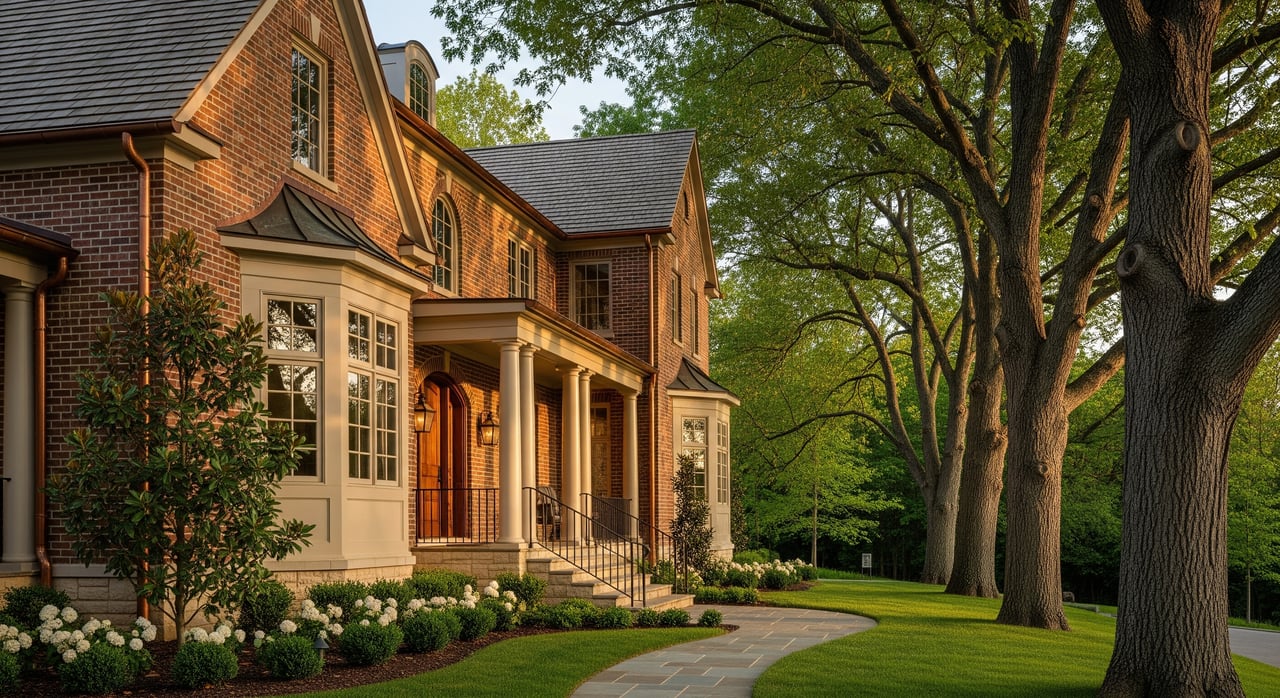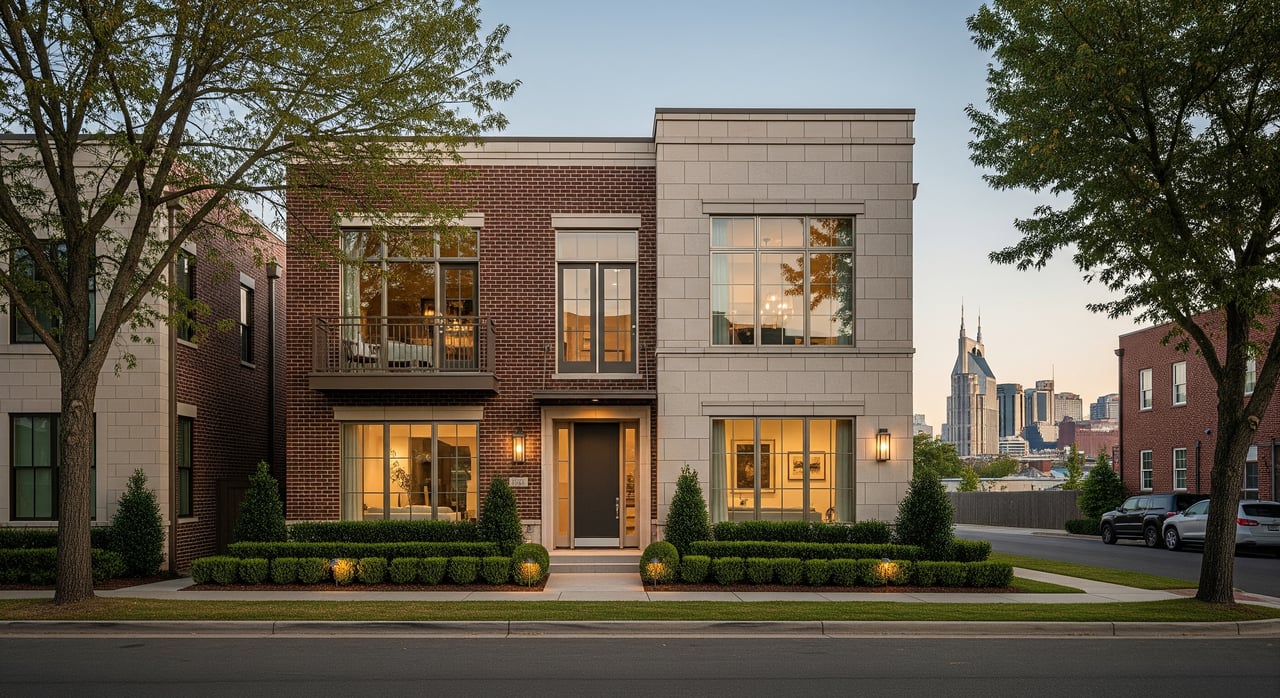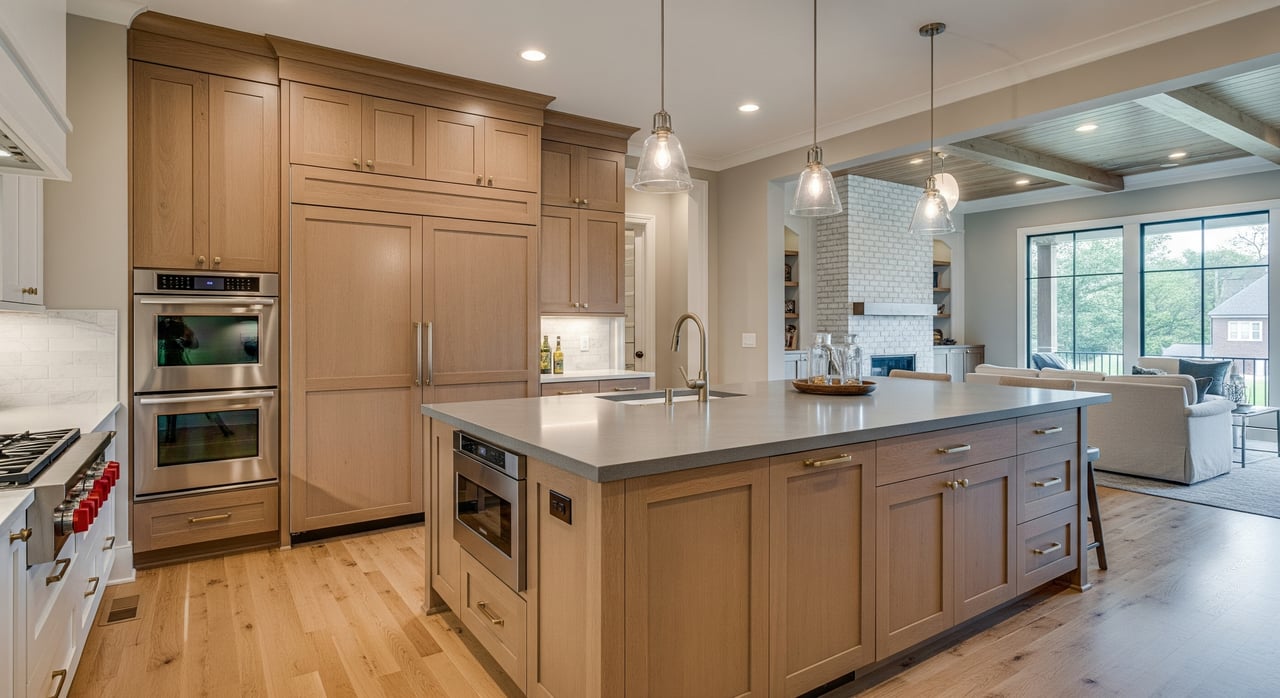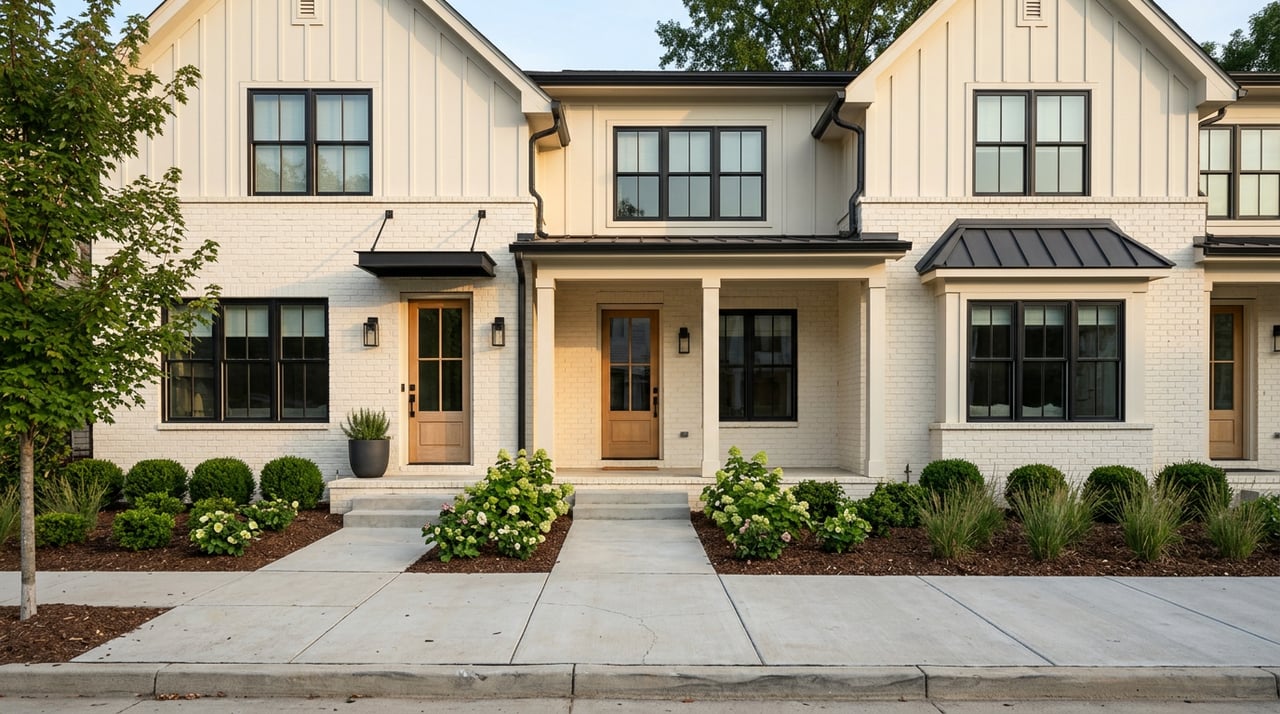
Torn between a sleek Nashville condo and a roomy Franklin townhome? You are not alone. Each option offers real benefits, from urban convenience to extra space and garage parking. In this guide, you will see how they compare on price, commute, taxes, HOAs, financing, and resale so you can move forward with confidence. Let’s dive in.
Price snapshot and what you get
Nashville’s condo market offers a lower entry point into the city core. The Greater Nashville REALTORS report the regional condominium median sales price at about $338,500 for February 2026. That figure reflects closed sales, not listings. You can use it as a benchmark when you compare buildings and neighborhoods across Davidson County (Greater Nashville REALTORS market update).
Franklin’s attached market, which includes condos and townhomes, is typically higher. RealTracs data reported in local market updates placed the February 2026 median for attached product in Franklin around $475,000. Monthly medians can swing on small sample sizes, but attached homes in Franklin often trade below the city’s single-family prices, which keeps townhomes a common entry path into Williamson County.
What that means for you:
- A Nashville condo often buys proximity to downtown jobs, dining, and entertainment with a smaller footprint and amenity access in the building.
- A Franklin townhome often buys more interior space, a garage, and a small patio or yard in a suburban setting at a price below many local single-family homes.
Lifestyle: walkability and commute
Walkability varies widely by neighborhood in both cities. Nashville overall is car dependent, but downtown, The Gulch, and Germantown feel very different from outer neighborhoods. Walk Score places Nashville’s citywide score around 29, with higher scores in central areas (Walk Score Nashville).
Franklin’s citywide Walk Score is lower, around 23. Historic downtown Franklin and newer mixed-use pockets score higher, while subdivisions near I-65 feel more car oriented. If you want errands or dining within a short walk, focus your Franklin search near downtown or planned centers (Walk Score Franklin).
Commute patterns also differ. The U.S. Census American Community Survey shows mean commute time around 24.7 minutes in Davidson County. Williamson County averages about 27.9 minutes, and the City of Franklin averages about 23.9 minutes. These are countywide and citywide averages, not rush-hour door-to-door estimates, but they give you a baseline for expectations in each area (U.S. Census QuickFacts, Davidson County).
Practical takeaway:
- If you work downtown or in the urban core, a Nashville condo can reduce daily travel time and stress. You may walk, take short rides, or use transit in select corridors.
- If you prioritize more space and a garage, a Franklin townhome often fits, but you will likely rely on a car for most trips.
Ownership and HOA basics
The word “condo” describes a form of ownership. You typically own the interior of your unit and a shared interest in common elements, while the association maintains the building exterior and shared systems. “Townhome” is a building style that can be set up as fee simple or as a condo regime. The legal form matters because it defines who maintains what, how insurance works, and how lenders underwrite the property. Always confirm the recorded legal form on the deed, plat, and association declarations before you write an offer.
Tennessee has also updated reserve-study expectations for many associations. Qualifying associations must complete reserve studies on a schedule, which has led some to adjust dues or adopt special assessments. This is a real line item in your budget, so you want to know the association’s status and plan (Tennessee reserve-study legislation).
Monthly cost comparison: the all-in view
When you compare a Nashville condo to a Franklin townhome, look past the sticker price. Your monthly budget should include:
- Principal and interest on your mortgage
- Property taxes (assessed value and local rate)
- HOA dues
- Homeowner insurance
- Utilities and routine maintenance
Here are two illustrative tax examples using current medians and publicly posted calculation methods. These are not quotes and will vary by property and district.
Nashville condo example: Price $338,500 (MLS condo median, Feb 2026). Tennessee assesses residential property at 25 percent of appraised value. Assessed value is about $84,625. Using the Davidson County USD tax rate example of 2.814 per $100 assessed value, the annual tax is roughly $2,381, or about $198 per month. Always confirm whether the property is in GSD or USD and use the county calculator for the exact parcel (Metro Assessor tax calculator and rates).
Franklin attached example: Price $475,000 (attached median for Franklin, Feb 2026). Assessed value is about $118,750. Williamson County’s county-only rate has been about $1.30 per $100 assessed value, and combined rates for city and school districts in Franklin often land around the high $1.80s per $100. Using a combined example rate of about 1.8573 per $100 assessed, the annual bill is roughly $2,204, or about $184 per month. Check the specific district and the county’s official statements for the latest rates before you buy (Williamson County rates, official statement).
HOA dues and what they include are just as important. Many condo buildings bundle exterior maintenance, reserves, trash, water, and amenities, which can mean higher dues. Townhome communities with fewer amenities can have lower dues, but you may be responsible for more exterior items such as the roof or siding. Recent Franklin townhome listings show monthly dues ranging roughly from the low $200s to the high $600s. Confirm current dues and what is covered with the HOA ledger before you finalize an offer.
Insurance also varies by legal form:
- Condos typically use a master policy for the building and common areas. You carry an HO-6 policy that covers interior finishes, contents, and liability. Know the master policy deductible and how water-related claims are handled (HOA and condo insurance basics).
- Fee-simple townhomes are often insured like single-family homes. Your HO-3 or HO-5 policy usually covers the structure and exterior, and your HOA dues may be lower. Review CCRs to confirm exterior responsibilities.
Financing and condo project eligibility
Financing can feel the same from your perspective, but lenders may treat condos and townhomes differently behind the scenes. Agency programs like Fannie Mae and Freddie Mac use project-level rules to decide whether a condo is warrantable. Some buildings require extra review or are not eligible for certain government loans, which can limit options or extend timelines. Fee-simple townhomes are often underwritten like single-family homes, although any attached community with an HOA can still trigger project questions. The best move is to have your lender check project eligibility during your offer prep so you are not surprised later (agency and lender project guidance overview).
Resale dynamics and who each suits best
Condos tend to attract buyers who prioritize central location, lower upkeep, and access to urban amenities. They can also appeal to some investors and right-sizers. Resale strength depends on the building’s HOA health, reserves, insurance, and how much new supply is nearby. Keep an eye on MLS statistics to understand current pricing and days on market for your target neighborhoods (Greater Nashville REALTORS market update).
Franklin townhomes often appeal to buyers who want more interior space, garage parking, and suburban conveniences at a price below many single-family homes. Attached homes can resell well when they are well managed, priced appropriately against single-family alternatives, and located near services and commuter routes. Many buyers also prioritize the public school options available in Williamson County. Always verify attendance zones with official district resources before you purchase.
How to choose: quick decision guide
Ask yourself these questions to clarify the right fit:
- Do you want to walk to dining and entertainment, or do you prefer a quieter neighborhood with a garage and more space at home?
- Is your daily commute to the downtown core, a suburban office, or a hybrid schedule that reduces peak-hour driving?
- How do HOA dues, property taxes, and insurance affect your monthly comfort zone at today’s interest rates?
- Are you comfortable with an association-managed building, or do you prefer more control of your exterior maintenance?
Documents to verify before you offer
Gather these items early. They protect your budget and timeline.
- HOA financial package: current budget, last 2 to 3 years of financials, reserve study, meeting minutes, and any planned or ongoing special assessments. Tennessee’s reserve-study law can affect dues and assessments (state legislation summary).
- Master insurance summary: what the association’s policy covers, master deductible, and unit owner responsibility for interior coverage and water events (insurance overview).
- Loan program and project eligibility: FHA, VA, Fannie Mae, and Freddie Mac status for the condo or attached project, plus any lender exceptions or pending litigation that can affect approval (project guidance reference).
- Current HOA dues and inclusions: confirm what is covered, such as trash, water, exterior maintenance, landscaping, and amenities. Ask for any upcoming changes.
- County tax detail: use the parcel’s exact assessed value and district rate to estimate the bill accurately. In Davidson, know whether the home is in GSD or USD before you calculate (tax calculator and rates).
- School attendance zones: if public school access is part of your decision, confirm official zoning and program availability for the address.
The bottom line
If you want urban access and low-maintenance living, a Nashville condo can be a smart, budget-forward move that keeps you close to work and entertainment. If you want more square footage, a garage, and a suburban setting with easy access to services, a Franklin townhome may be the better long-term fit. In both cases, the all-in math matters. Line up taxes, HOA dues, insurance, and financing terms before you decide.
Ready to compare a few specific buildings and communities side by side? Reach out to Parker Brown for a tailored breakdown of real options based on your budget, commute, and lifestyle priorities. You will see the true monthly picture before you ever write an offer.
Work with Parker Brown to start your Middle Tennessee search today.
FAQs
What are the typical Nashville condo prices right now?
- The Greater Nashville REALTORS report a regional condo median around $338,500 for February 2026, which reflects closed sales rather than list prices.
How do property taxes differ between Nashville and Franklin?
- Tennessee assesses at 25 percent of appraised value, then applies local rates. Example math shows a Nashville condo around $2,381 per year and a Franklin attached unit around $2,204 per year using sample district rates. Always calculate with the exact parcel and district.
Are condo HOA dues always higher than townhome dues?
- Often yes, because condo dues typically include exterior maintenance, building systems, reserves, and amenities. Townhome dues can be lower but may shift more exterior costs to the owner. Always confirm inclusions and any planned changes.
Will my loan options be different for a condo?
- They can be. Condos may require project approval for programs like Fannie Mae, Freddie Mac, FHA, or VA, which can limit options or add time. Fee-simple townhomes are often underwritten like single-family homes. Have your lender check project eligibility early.
How should I compare monthly costs beyond the purchase price?
- Add principal and interest, property taxes, HOA dues, homeowner insurance, and a maintenance and utilities allowance. Use the county’s assessed value and exact district rates, confirm HOA coverage, and have your lender model scenarios at your likely interest rate.