If you price your Nashville home too high, buyers may scroll right past it before they ever schedule a showing. If you price it too low, you may leave money on the table. In a market with more inventory, longer selling timelines, and buyers comparing every option online, smart pricing matters more than ever. Here’s how to think about pricing your home in Nashville so you can attract serious interest and protect your bottom line.
Why pricing matters in Nashville now
Nashville is not moving as one simple market. Late March 2026 data for Davidson County showed a median sale price of $431,000, a median list price of $486,317, a median sale-to-list ratio of 0.978, and a median 49 days to pending. At the same time, Redfin’s March 2026 Nashville snapshot reported a median sale price of $469,900, 98 median days on market, and a 97.1% sale-to-list price.
Those numbers are best read as complementary because they use different geographies and methods. The bigger takeaway is clear: buyers are active, but they are not rushing to overpay across the board. In Davidson County, 71.8% of sales closed under list price, while only 10.1% closed above list price.
Inventory also matters. Greater Nashville REALTORS® reported 13,694 homes in inventory across the nine-county region in March 2026, up from 12,315 in February, while days on market improved from 72 to 62. That points to a market where buyers have more choices and sellers need a sharper plan from day one.
Start with your real price band
One of the biggest pricing mistakes is using a single citywide median as your guide. Nashville pricing changes a lot by ZIP code, neighborhood, and price tier. What works for a home in Green Hills will not necessarily work for a home in Donelson, Madison, or Old Hickory.
Davidson County ZIP code data from 2025 showed that median sales prices ranged from $311,875 in Priest Lake 37217 to $1.15 million in Green Hills 37215. Other sub-$400,000 ZIPs included Goodlettsville 37072, Madison 37115, Old Hickory 37138, and Donelson 37214. That spread shows why a smart pricing strategy starts with your true competitive set, not a broad Nashville headline number.
Price tier also affects timing. In the broader region, homes sold at $450,000 and under averaged 51 days on market in 2025, while homes priced at $4 million and above averaged 128 days. As price goes up, the buyer pool usually narrows, which means pricing discipline becomes even more important.
Price for how buyers actually search
Most buyers begin online, and that changes how your price should be set. In the 2024 Profile of Home Buyers and Sellers, 43% of buyers said their first step was looking for properties on the internet, and 51% found the home they purchased through online searches. Buyers also said photos, detailed property information, and floor plans were especially useful.
This matters because your home is competing on a screen before it ever competes in person. Buyers often search by monthly payment, price range, home type, bedrooms, bathrooms, square footage, and days listed. They can also save searches and get alerts when a home enters a preferred range or drops in price.
That means your list price should not just reflect value. It should also fit the search buckets real buyers use. A home priced just outside a common threshold may get less visibility than a home priced strategically within it.
Understand search thresholds and price brackets
Search thresholds can shape how many buyers even see your home. If someone sets a maximum budget at a certain number, your home needs to fall inside that range to appear. A pricing decision that looks small on paper can change your online exposure in a big way.
Research cited in the Journal of Housing Research found that price format can affect search exposure and buyer attention. In the study’s example, a $200,000 listing could appear in more search ranges than a $199,900 listing, and buyers often spent more time on the first home in a results set. The study also found that just-below pricing often produced the highest transaction price relative to underlying value, while round-number pricing tended to sell faster and with smaller discounts.
The lesson for Nashville sellers is practical, not rigid. There is no one magic number that works for every home. But there is real value in choosing a list price that aligns with both your local comps and the way buyers filter searches.
Avoid the overpriced launch
A home usually gets its strongest attention when it first hits the market. If the launch price misses the mark, you may lose momentum fast. In a market where buyers have options, they can simply wait, compare, and move on.
That risk is especially important right now. In Davidson County, most homes are closing below list price, and Redfin reported that 23.2% of Nashville homes had price drops. Once a listing starts to sit, buyers may wonder why, and price reductions become visible to shoppers who track days on market and saved-search alerts.
An overpriced launch can lead to fewer showings, weaker offers, and a more reactive strategy later. Often, pricing close to the market from the start gives you a better chance to create interest while your listing still feels fresh.
Use comps, then adjust for current conditions
Comparable sales are still the foundation of pricing, but they are only the starting point. In a changing market, yesterday’s numbers need context. You also need to look at current inventory, pending activity, and how quickly similar homes are moving.
That is especially true in Nashville right now, where inventory has been rising and buyers have gained leverage. Greater Nashville REALTORS® noted in early 2026 that sellers were getting more creative, often by offering incentives. If the competitive landscape shifts while your home is coming to market, your pricing strategy should shift too.
A smart plan looks at questions like these:
- What have similar homes actually sold for recently?
- How many comparable homes are active right now?
- How long are homes in your price band taking to go pending?
- Are price reductions becoming more common in your segment?
- Would a pricing adjustment or seller incentive create stronger demand?
Match pricing with presentation
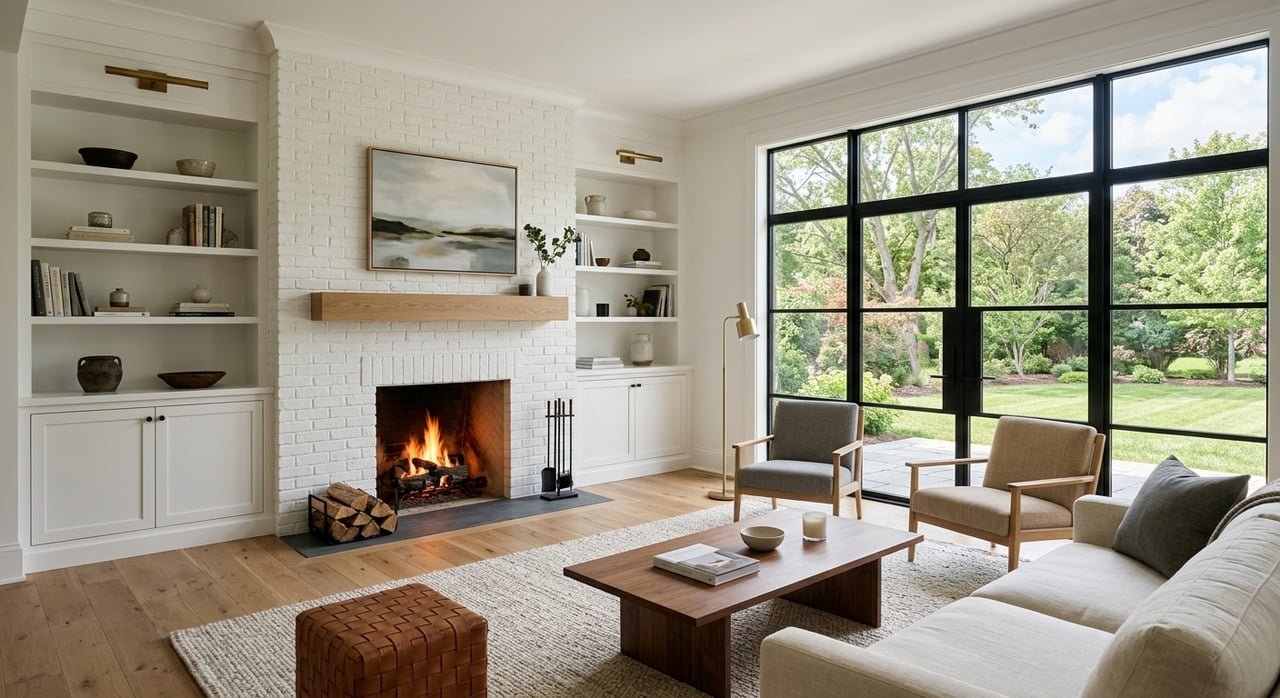
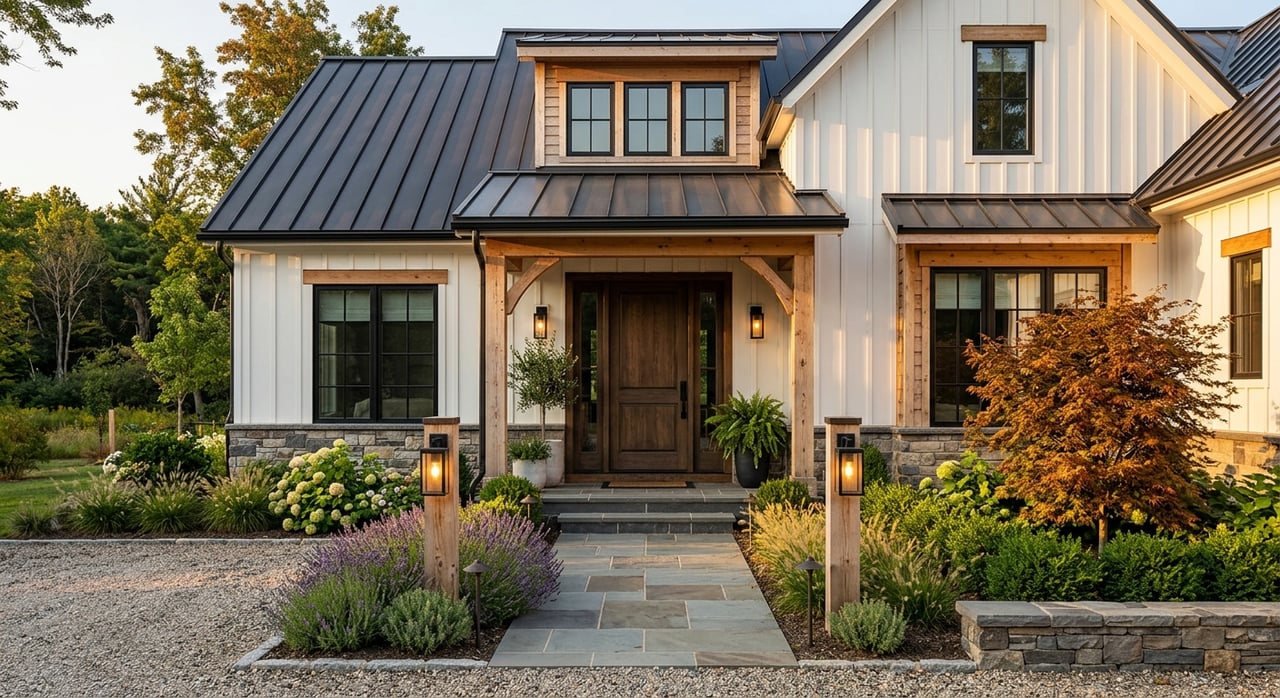
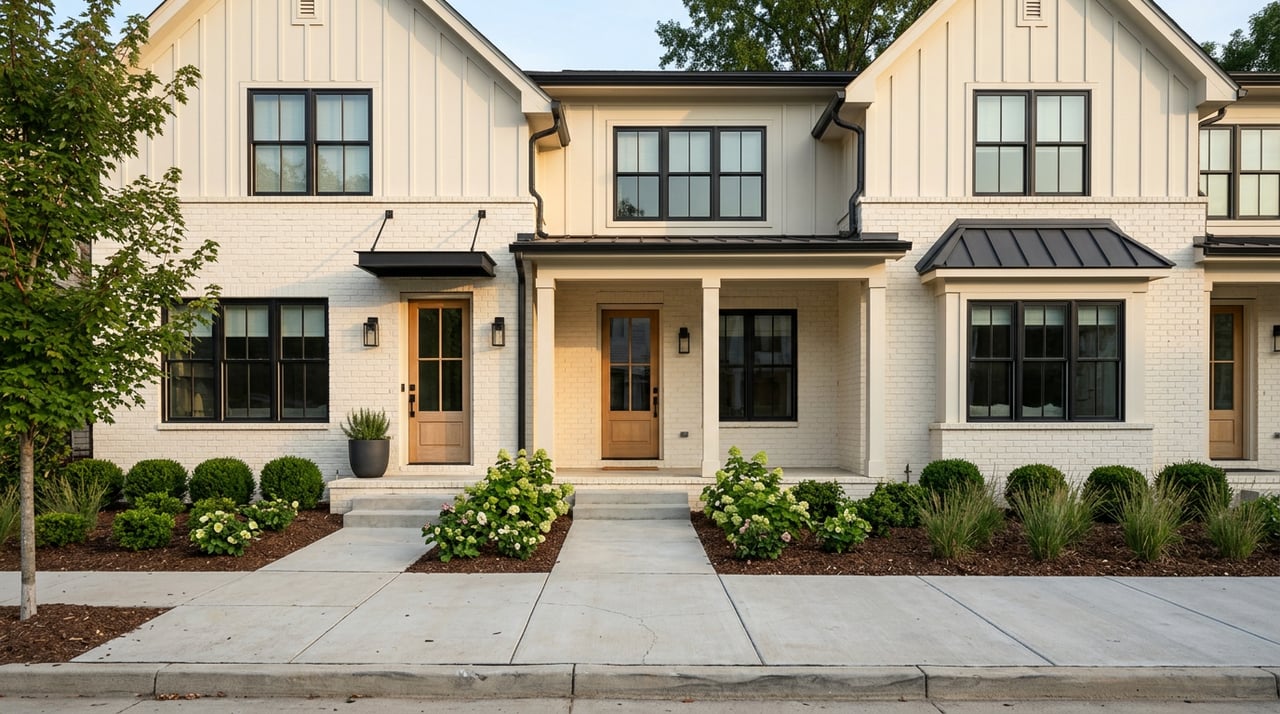
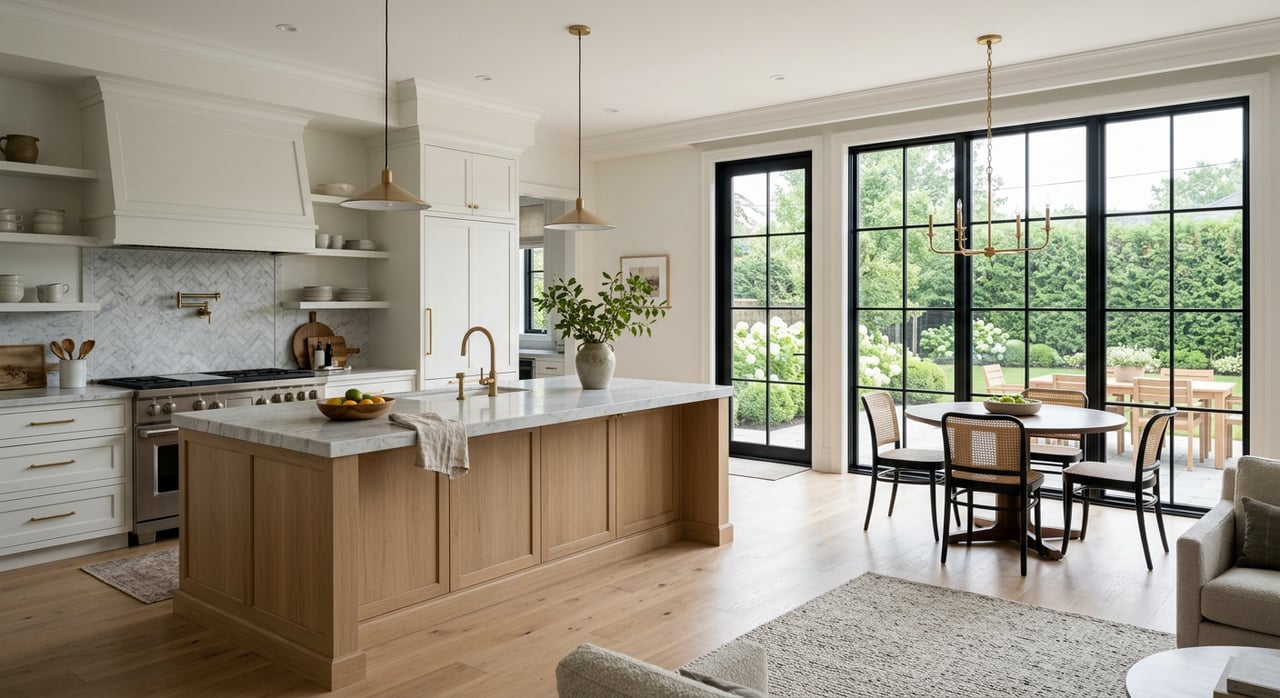
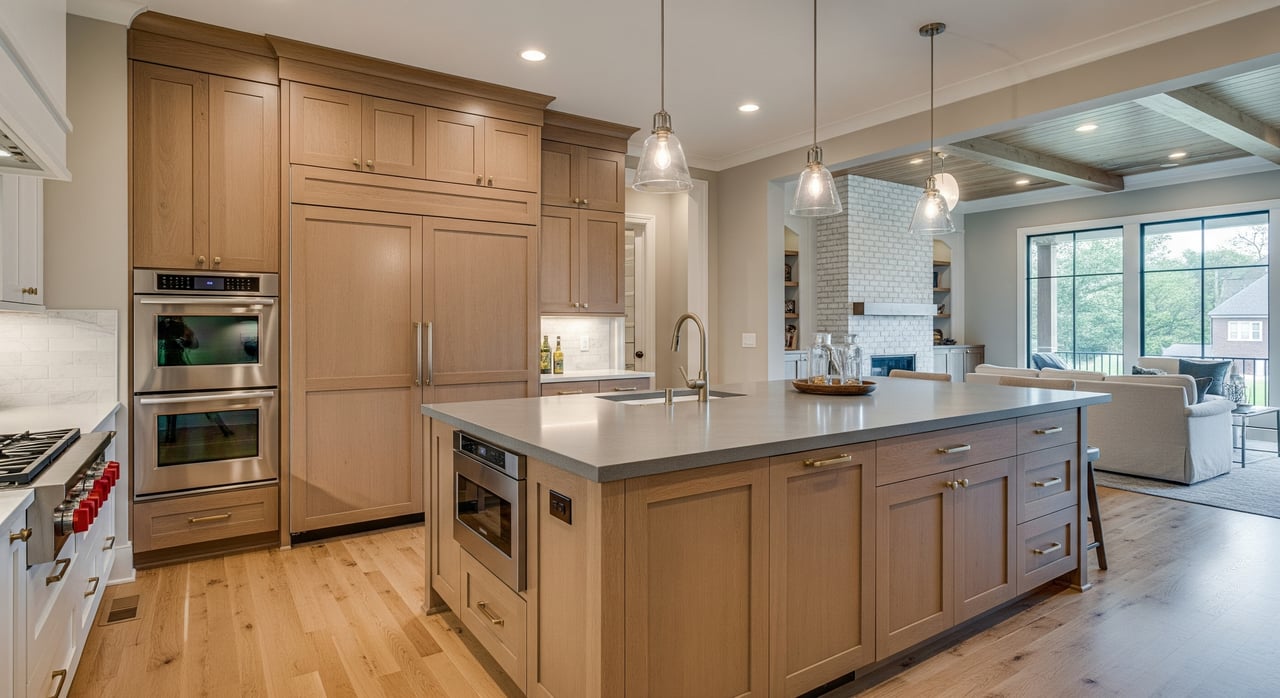
Price and presentation work together. If you want to price confidently, your home needs to look competitive the moment buyers find it online. Strong photos, complete property details, and a clear floor plan can help support the price because buyers are often making early decisions from their phones or laptops.
That is where a full-service approach can make a difference. Parker Brown’s listing strategy is built around thoughtful preparation, premium presentation, and a phased marketing plan designed to meet buyers where they search. For some sellers, that may also include Compass Concierge to help improve a home’s presentation before it goes live.
When pricing and presentation align, buyers have fewer reasons to hesitate. That can lead to better traffic, stronger feedback, and a smoother path to a solid offer.
Revisit the strategy after launch
Pricing is not a set-it-and-forget-it decision. Once your home is live, the market starts giving you feedback. Showings, online activity, buyer comments, and new competing listings all help tell you whether your price is working.
If similar homes start selling faster, that may support your position. If activity is slow and your listing is being passed over, it may be time to adjust quickly rather than wait. In a market with rising inventory and visible price-drop alerts, timing matters.
The goal is not to chase the market downward. The goal is to stay close enough to the market that buyers keep seeing your home as a serious option.
What smart pricing looks like in practice
For most Nashville sellers, smart pricing comes down to a few simple principles:
- Price within the right local neighborhood and ZIP code context
- Stay aware of the behavior of your specific price tier
- Think about search filters and monthly budget thresholds
- Avoid launching high and hoping the market catches up
- Pair price with strong presentation and marketing
- Reassess quickly if market feedback is weak
In today’s Nashville market, pricing well is less about picking a hopeful number and more about building a strategy. When you combine local data, online search behavior, and current competition, you put your home in a stronger position from the start.
If you’re thinking about selling and want a pricing strategy built around your home, your neighborhood, and current Nashville market conditions, Parker Brown can help you create a plan that is informed, polished, and built to move.
FAQs
How should you price a home in Nashville in 2026?
- You should price your home based on recent comparable sales, your neighborhood or ZIP code, your price tier, and current market conditions like inventory and days on market. In Davidson County, most sales have been closing under list price, so accuracy matters.
Why do search price thresholds matter when selling a Nashville home?
- Buyers often search using online price filters and monthly budget limits. If your list price falls outside common search ranges, fewer buyers may see your home even if the difference looks small.
Are Nashville homes selling below asking price?
- Many are. Late March 2026 Davidson County data showed 71.8% of sales closed under list price, while only 10.1% closed above list price.
Should you price your Nashville home high to leave room to negotiate?
- In a market with more inventory and buyer choice, that approach can backfire. An overpriced launch may lead to fewer showings, more time on market, and visible price reductions later.
Does pricing strategy change by Nashville neighborhood?
- Yes. Nashville is not one uniform market. Pricing can vary widely by area, with 2025 Davidson County ZIP code medians ranging from $311,875 in Priest Lake 37217 to $1.15 million in Green Hills 37215.
When should you adjust the price of a Nashville listing?
- You should revisit pricing when showings are slow, buyer feedback is weak, competing inventory increases, or comparable sales shift. In a changing market, quick and informed adjustments are often more effective than waiting too long.